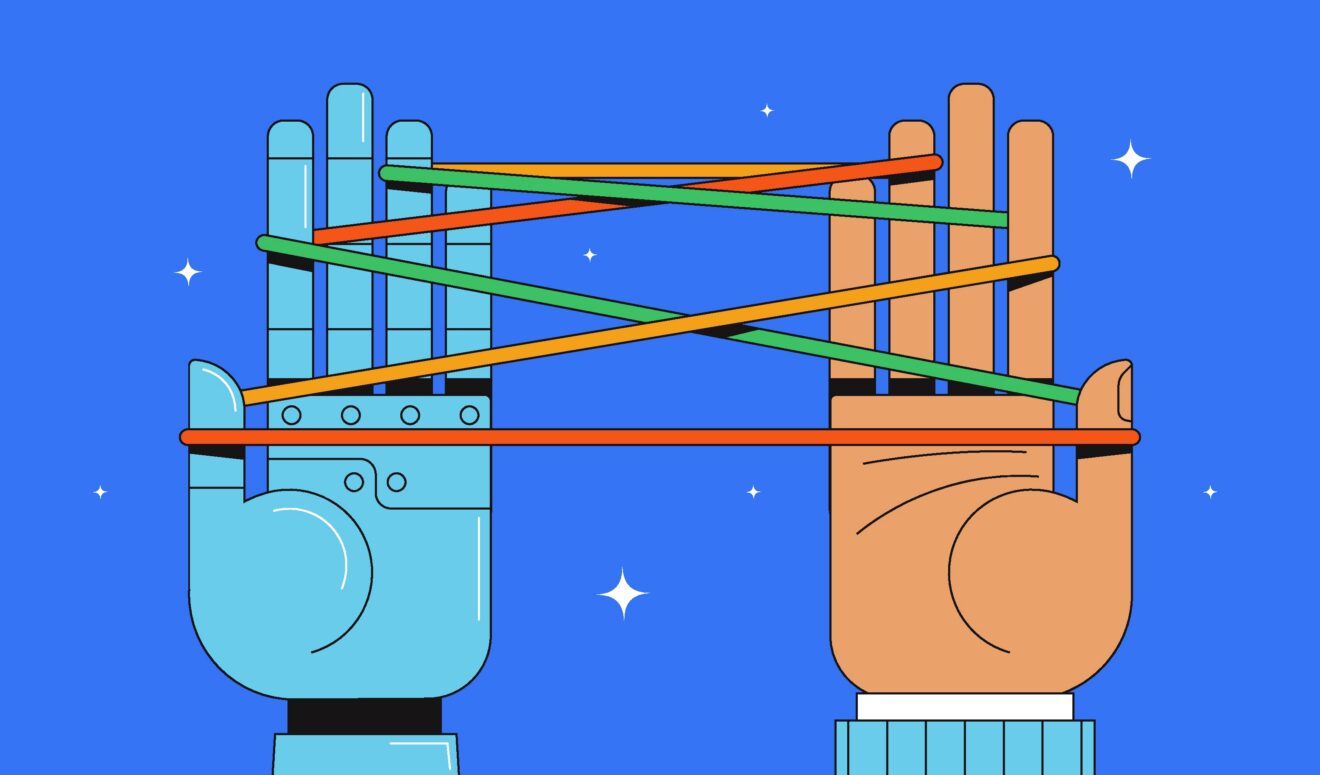
One of the most dangerous phrases I hear in modern business today is “AI can just do that.” Contrary to most of the conversation around AI, when I hear a leader say this, I don’t consider them a visionary embracing the future. Instead, they sound to me like someone who hasn’t thought deeply about the complexity of the road ahead.
There’s a certain allure to thinking that data and the insight-generating power of AI can tell us everything we need to know to run a successful business. But the reality is that data can only tell us where we’ve been and predict where we’re likely to go.
This distinction is something every business leader ought to take seriously, especially those who are inventing new industries and building up their brand identity. The most powerful tool we possess as leaders isn’t faster processing power; it’s human intuition, or “gut feeling” as I like to call it, guided by a code of ethics that a machine can’t simulate.
Here are three reasons why the human element of business is never going away:
1. Only humans can protect human well-being.
The belief that AI can guide the most critical aspects of a business overlooks the necessity of human judgment and empathy in leadership. That’s because data can identify a trend, but it can’t make a high-stakes choice. In healthcare, there is a constant tension between what the data suggests is profitable and what our judgment tells us is right for the patient or the payer. If we let AI dictate our strategy, we are effectively removing the human from the center of human well-being.
There are times when the data is inconclusive or, worse, points toward a path that violates our standards. During those moments, it takes a human leader to step in and make the right decision. When that happens, human intelligence is no longer a vague concept; it’s the tangible application of experience, empathy and professional ethics to a problem. In today’s ever-shifting world of technology and automation, we need leaders who have the emotional and intellectual courage to override the dashboard when human well-being is at stake.
2. Innovation requires disrupting patterns.
The very nature of AI makes it an average of the past, which makes it a deceptive tool for business leaders. While its ability to forecast historical trends and consumer behavior is powerful, it can’t tell you when it’s time to break the mold or move in a new direction. In fact, it’s likely to result in an incrementalist strategy, making small, safe adjustments that mirror the rest of the market. If every organization operates this way, the result is an industry where leaders use the same predictive models to guide their growth, and the entire sector moves toward a consensus that ignores the potential for true disruption.
My company, Paragonix, is a perfect example of why disruption is crucial. When everyone else in the healthcare sector seemed content to use ice chests to transport donor organs, we dared to ask whether technology could provide a better way. An entire industry, organ preservation technology, now exists because we rejected the industry’s reliance on outdated methods and engineered a solution for a need the market had yet to quantify.
3. A company’s ethics become its identity.
The early stages of business development are where it’s easiest to fall into the trap of data worship. That’s because data is what convinces stakeholders and potential investors to buy into your solution. You need ample data, but you also need trust, and that’s something that data can’t give you.
Trust comes from a brand identity people can rely on, and that only happens when you set a high ethical bar for your company, even if no one else around you is doing the same. If you’re an innovative leader in a new market, you’ll see competitors take advantage of the lack of rules, but sticking to your core creates a compelling brand that people trust. In a way, it’s a competitive moat that only comes from putting human judgment and decision-making at the heart of your organization.
The temptation to outsource leadership to algorithms is understandable because it offers the illusion of certainty in an uncertain world. But as we have seen with the evolution of preservation technology, the most significant breakthroughs don’t come from following existing data; they come from questioning it. AI will continue to transform how we process information, but it will never replace the executive’s role in defining a company’s moral and strategic direction. By keeping human well-being and ethical judgment at the center of our decision-making, we don’t just build better companies; we build a future that data alone could never have imagined.
Opinions expressed by SmartBrief contributors are their own.
____________________________________
Take advantage of SmartBrief’s FREE email newsletters on leadership and business transformation, among the company’s more than 250 industry-focused newsletters.