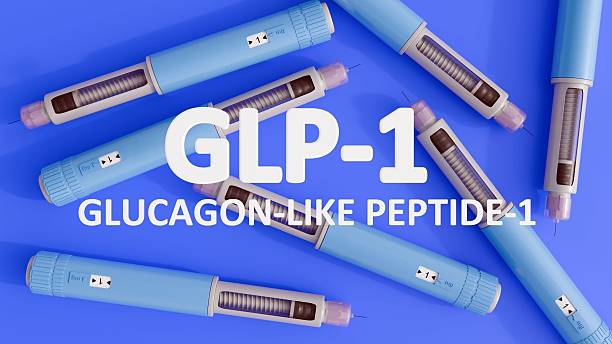
There is a lot of news about the new glucagon-like peptide agonists, or GLP-1 drugs, such as Zepbound and Wegovy, and their impact on weight loss, chronic diseases related to obesity, provider care management, insurance coverage, access, pharmaceutical companies and even the economy. But patients are at the heart of the GLP-1 trend, and the Obesity Action Coalition is there to provide support, education and advocacy for those who want to use these medications as part of their weight-loss plan.

Tracy Zvenyach, director of Policy Strategy and Alliances at the Obesity Action Coalition, discusses the organization’s role and some of the challenges faced by people using GLP-1 drugs.
What is the Obesity Action Coalition, and what are its main activities?
The Obesity Action Coalition is the leading patient-centered nonprofit supporting people living with obesity through education, support programs, public awareness and advocacy. We work at the federal and state levels to expand access to evidence-based obesity care, reduce barriers and ensure people living with obesity are treated with dignity and respect.
Are more patients with obesity opting for GLP-1 drugs over other weight-loss options, including lifestyle changes or bariatric procedures?
Interest in and uptake of GLP-1 medications have increased, driven by strong media coverage, provider prescribing and patient demand, but they are one option among several. Many people who try GLP-1s do so in combination with lifestyle support; others consider them when lifestyle approaches alone have not achieved needed health outcomes. Bariatric surgery remains the most effective single intervention for many people with severe obesity and certain health conditions, and it continues to be an important option for patients. The landscape is shifting quickly, but medications are supplementing, not replacing, other evidence-based approaches.
Describe the cost and access concerns patients have with GLP-1 medications.
Cost and limited insurance coverage are top barriers to access GLP-1 medications for obesity. Many patients face high out-of-pocket prices, restrictive prior-authorization rules and lack of coverage that make ongoing access uncertain. Even when manufacturers offer discounts, coverage decisions by insurers and public programs determine whether a patient can reliably obtain and afford one of these medications long term. These financial issues are the major driver of inequities in who can benefit from the GLP-1 medications.
What is the potential impact of new government plans to provide Medicare coverage for GLP-1s and deals with pharmaceutical companies to provide these medications at lower costs?
Proposals and recent agreements to reduce prices or expand Medicare coverage could substantially lower costs for beneficiaries and increase access for older adults — if implemented broadly and paired with strong clinical guidance and wrap-around care. However, the details matter: Which products are covered, for which indications, copay levels and the timing of implementation will determine real-world access. We support policies that expand equitable access while protecting patients from abrupt changes or rationing and ensuring coverage comes with appropriate clinical support and long-term care planning.
Can patients access these medications through the Medicaid program?
Medicaid policy varies by state. Some state Medicaid programs have expanded coverage for GLP-1s, while others have imposed restrictions or are reconsidering coverage because of cost pressures. There is no single national answer: Access depends on state decisions, specific program rules and whether a formulation is approved for diabetes versus an obesity indication. OAC advocates for state Medicaid policies that expand access for people who meet the clinical criteria and that include necessary supportive care services.
Do patients have enough information about these medications, and how does online misinformation affect their ability to get reliable guidance?
Many patients lack balanced, clinically accurate information. Social media and online advertising have helped raise awareness, but they have also spread oversimplified or misleading messages about expected results, safety and who should use these drugs. That noise can make it harder for people to have informed conversations with health care providers and to weigh benefits, risks and alternatives. OAC stresses the need for clear patient education from trusted clinicians and public health sources so people can make choices that fit their health needs and goals.
Do patients fully understand how GLP-1 medications work, how to use them and the possibility they may have to be on some type of maintenance regimen long term?
Understanding is uneven. Clinically, GLP-1 receptor agonists act on appetite, satiety and metabolic pathways, and for many people weight will trend back toward where they started after stopping medication — which is why providers and patients should plan for ongoing management, lifestyle support and monitoring. In practice, patients sometimes underestimate the likelihood of long-term use, possible side effects and the need for medical supervision. Better shared decision-making tools and prescriber counseling are essential so people start treatment with realistic expectations and a long-term plan.
Do patients prefer online options for accessing GLP-1 drugs or in-person visits with health care providers?
Preferences vary. Some patients value the convenience and privacy of online telehealth platforms that can provide faster access; others prefer in-person visits for a more comprehensive evaluation, physical exam and care coordination. The growth of telemedicine has expanded access for many, but it also raises concerns about fragmented care, inconsistent follow-up and variable quality of counseling.
Are there concerns about using the less-expensive compounded versions of these medications, and do patients understand the legal and medical issues?
Compounded versions of semaglutide and tirzepatide present patient safety and efficacy concerns: Dosing errors, variable product quality and a lack of FDA approval for compounded formulations have led to FDA regulatory warnings. Patients may seek compounded products because of cost or lack of insurance coverage, but they often are not fully aware of the greater risks and regulatory status, compared with FDA-approved products. OAC urges patients to consult with their health care professionals before using compounded GLP-1 medications and for prescribers and pharmacists to prioritize safety and quality, knowing the source of ingredients, and clear patient instructions.