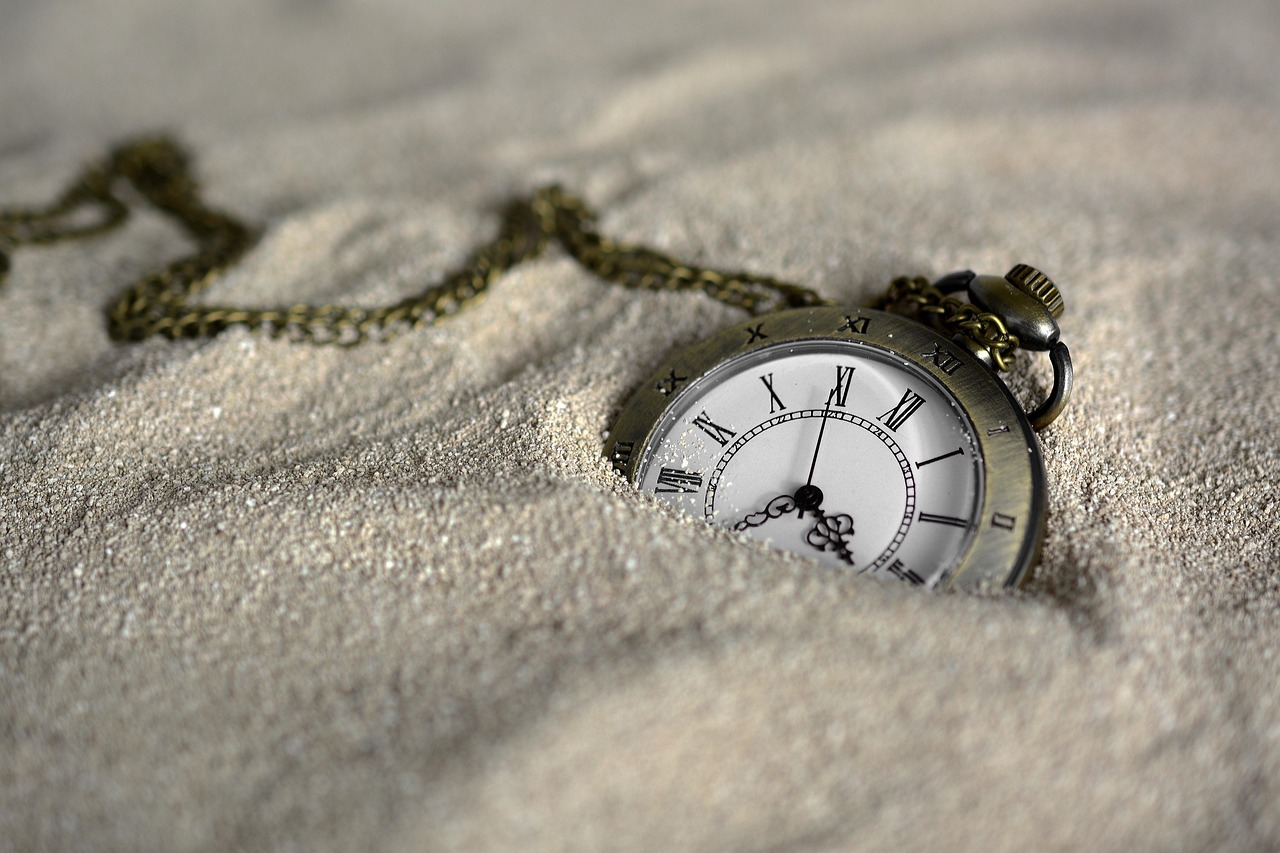
I had a strange (but interesting) last few weeks of the summer. Several circumstances made me consider the value of what I’m calling “Time-Lapse Leadership,” the idea that there are some aspects of leading (and learning) that we simply can’t experience until a fair amount of time has passed. And that doesn’t mean those concepts are any less valuable; they simply aren’t apparent right away. So, here they are, and the circumstances that led me to consider them.
The power of parts of a whole
There have been times in my career when I have been guilty of judging people and actions based on parts of who they are, rather than their whole character. And that is dangerous leadership. The better practice is first to understand the people we serve to learn best how we can help them become ever better. The challenge with this is that getting to know people takes a really, really long time. And sometimes, big pieces of who people are make themselves apparent at the most random of times. I had just one of those experiences with my youngest daughter, who will be 12 in a few weeks and has turned into a full-on teenager over these last few months. We took a walk to a coffee shop together one morning, and as we were talking about the start of the school year and life in general, it hit me.
Both of my kids (my other daughter is 15) are now more adult than they are children. That means I need to change how I engage with them and meet them where they are. There was nothing particularly special about our conversation that morning, just a collection of ideas and experiences that led me to change my thinking about being a parent of two young adults. Similarly, in our professional lives, this recognition of individual identities and the importance of the parts of a whole can prevent us from taking actions that are not aligned with who people are and what they need. Taking the time to truly get to know others is the only way we can truly lead people and is a key component of time-lapse leadership.
Careers, like life, are cyclical
Two interesting things happened that reminded me of the cyclical nature of things. First, we had a family getaway that was both a lot of fun and somewhat concerning with how hard it is getting for my parents to be able to travel. Elements of their health have declined over the past few years. They are in their late 70s, so it isn’t surprising when I consider the longer frame of their lives. Taken in the short term, though, it can feel like a shock. In addition, I had my first retirement conversation (very cursory, of course) with a good friend and colleague who is already retired. We talked about me beginning the last third of my career, and while it seemed a bit premature at first, when I considered the totality of my time in the profession, it isn’t quite as extreme.
Both of these situations reminded me of the cyclical nature of life. While elements of time can be controlled, particularly how we use parts of it, we can’t control time as a construct. That means that life, career and components of both are only ever partially up to us. Time-lapse leadership requires us to be comfortable with at least a portion of our lives, and it is not directly up to us to decide. And that lack of control means there must be times when we simply work with what we have. As I enter the last third of my career (presumably), I am becoming much more comfortable with letting some things go and accepting my strengths and weaknesses for what they are, all while working to make leadership and learning better all around.
Perspective is everything
I mean, maybe not “everything,” but it’s close for sure. A five-minute car ride can seem like a lot until you take a 45-minute car ride, which can seem like a lot until you take a seven-hour car ride. We did a bunch of travelling via car this summer, and I had that realization coming back to New York from Ontario, Canada. Everything is different until it isn’t. And while it is human nature to avoid change and to be most comfortable with our own viewpoint of the world, it prevents us from connecting most effectively with others and validating their lived experiences.
I did a lot of perspective-gathering this summer, personally and professionally, and feel much better for it. During these last few months, lots of good changes occurred in my life, some not-so-good. And, in all cases, the commonality is that the results of those changes provide us with richer lived experiences to help shape our growth into the future. It’s easy to feel this way when good changes occur, and it is still no less true when bad changes occur. Time-lapse leadership takes multiple perspectives into account and requires a desire for a consistent understanding of new perspectives.
While there are many frames to thinking about leadership, I think the way we regularly wrestle with time is not to be ignored. We can make a “friend” of it or constantly fight against it. Time-lapse leadership allows us to recognize the importance of using time effectively, paired with the recognition that we will never be able to control it, as much as we might want to. How has time-lapse leadership impacted your work as a leader and learner?
Opinions expressed by SmartBrief contributors are their own.
Subscribe to SmartBrief’s FREE email newsletters to see the latest hot topics on educational leadership in ASCD and ASCDLeaders. They’re among SmartBrief’s more than 200 industry-focused newsletters.