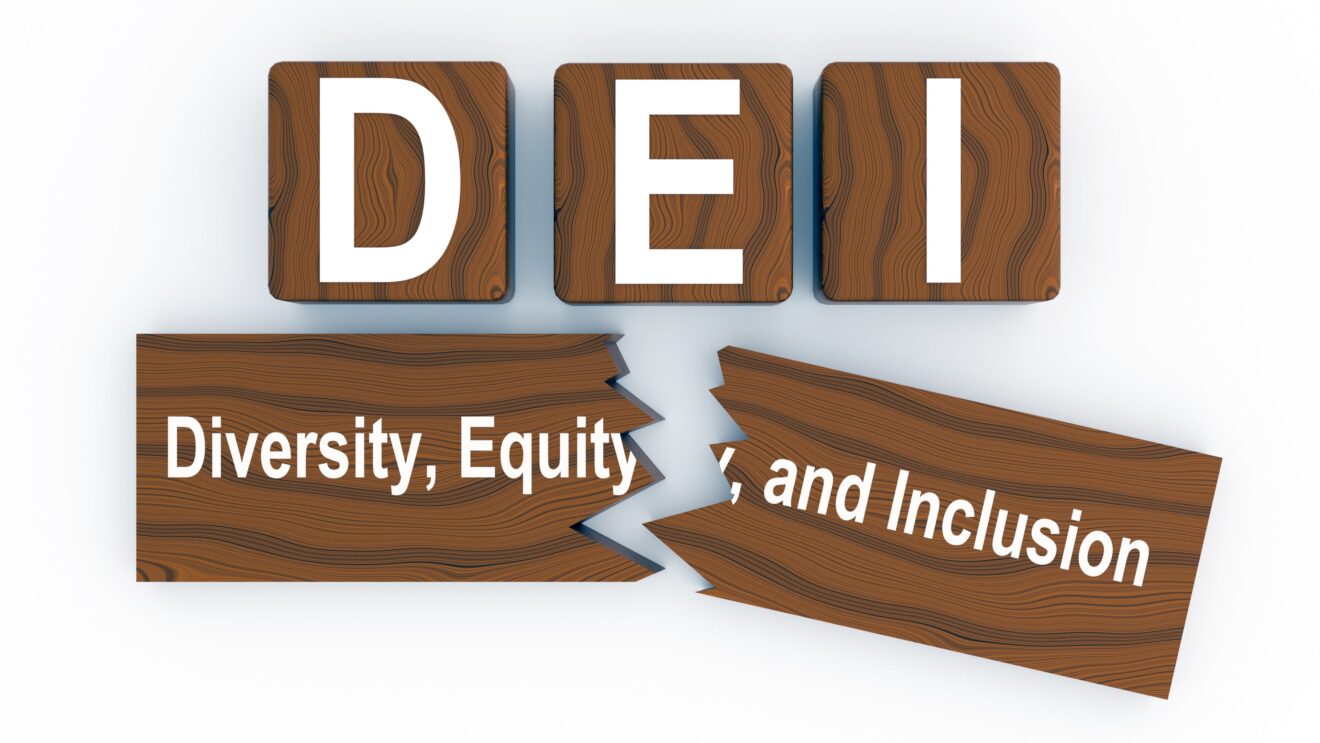
A few years ago, many companies pledged to prioritize diversity, equity and inclusion (DEI) in the wake of national calls for racial justice. But lately, those efforts are being rolled back — sometimes quietly, sometimes dramatically. What started as a push for progress is turning into a retreat.
That retreat may feel like a response to shifting political winds or legal risks. But for frontline and mid-level leaders, the question isn’t just what the company will do; it’s what you will do. DEI doesn’t live only in boardrooms or HR memos. It lives in daily choices: How we hire, how we lead teams, how we respond to resistance and how we keep people connected to shared values.
Why the backlash is happening
A lot of the current pullback is driven by fear. Fear of legal scrutiny. Fear of public criticism. But also fear of discomfort. Some leaders feel like DEI conversations sideline their own stories or make them unsure of their place. That unease is often labeled “fatigue,” but it’s usually a reaction to change — change that feels personal and cultural, not just procedural.
Ignoring that discomfort won’t make it go away. But naming it and working through it can help managers support teams with more clarity and confidence.
DEI is a leadership skill, not a side project
When DEI is treated like an initiative separate from “real work,” it’s easy to drop when things get tough. But when it’s built into the core of how a team operates — how people are hired, promoted and heard — it strengthens culture and performance.
You don’t need a new program to lead with inclusion. You need habits and decisions that reflect it. That might mean widening your definition of a “strong candidate,” checking who gets the floor in meetings, or simply creating space for honest conversations when tensions surface.
Don’t mistake resistance for rejection
If you’re sensing pushback on DEI in your workplace — eye rolls, quiet disengagement, confusion — it doesn’t always mean people are against it. Often, it means they don’t understand the “why” behind it, or they feel left out of the conversation.
Instead of brushing off resistance, try listening to it. Ask questions. Invite feedback. Clarify the purpose behind your team’s DEI efforts and connect it to shared goals. Most people want to be part of a fair, respectful and high-performing team. They just need to see how DEI helps make that happen.
The quiet cost of giving up
Backing away from DEI can feel like a neutral move. But it often sends a louder signal than leaders realize. Team members may start to wonder what the company really stands for. Innovation can slow as diverse voices fade from the conversation. Trust can erode quietly until people start looking elsewhere.
Younger employees in particular see inclusion as a baseline, not a bonus. And customers are watching, too. Leading with inclusion isn’t about politics; it’s about building a team and a brand that reflect the people you serve.
What leadership looks like now
You don’t need to be a DEI expert to lead with equity. You need to be curious, consistent and willing to grow. Make space for voices that aren’t always heard, and match values with action, even when the spotlight is off.
Inclusion isn’t a trend to manage. It’s a leadership mindset. And leaders who embrace it won’t just keep their teams connected. They’ll help their companies move forward, even when the road gets rocky.
Opinions expressed by SmartBrief contributors are their own.
____________________________________
Take advantage of SmartBrief’s FREE email newsletters on leadership and business transformation, among the company’s more than 250 industry-focused newsletters.