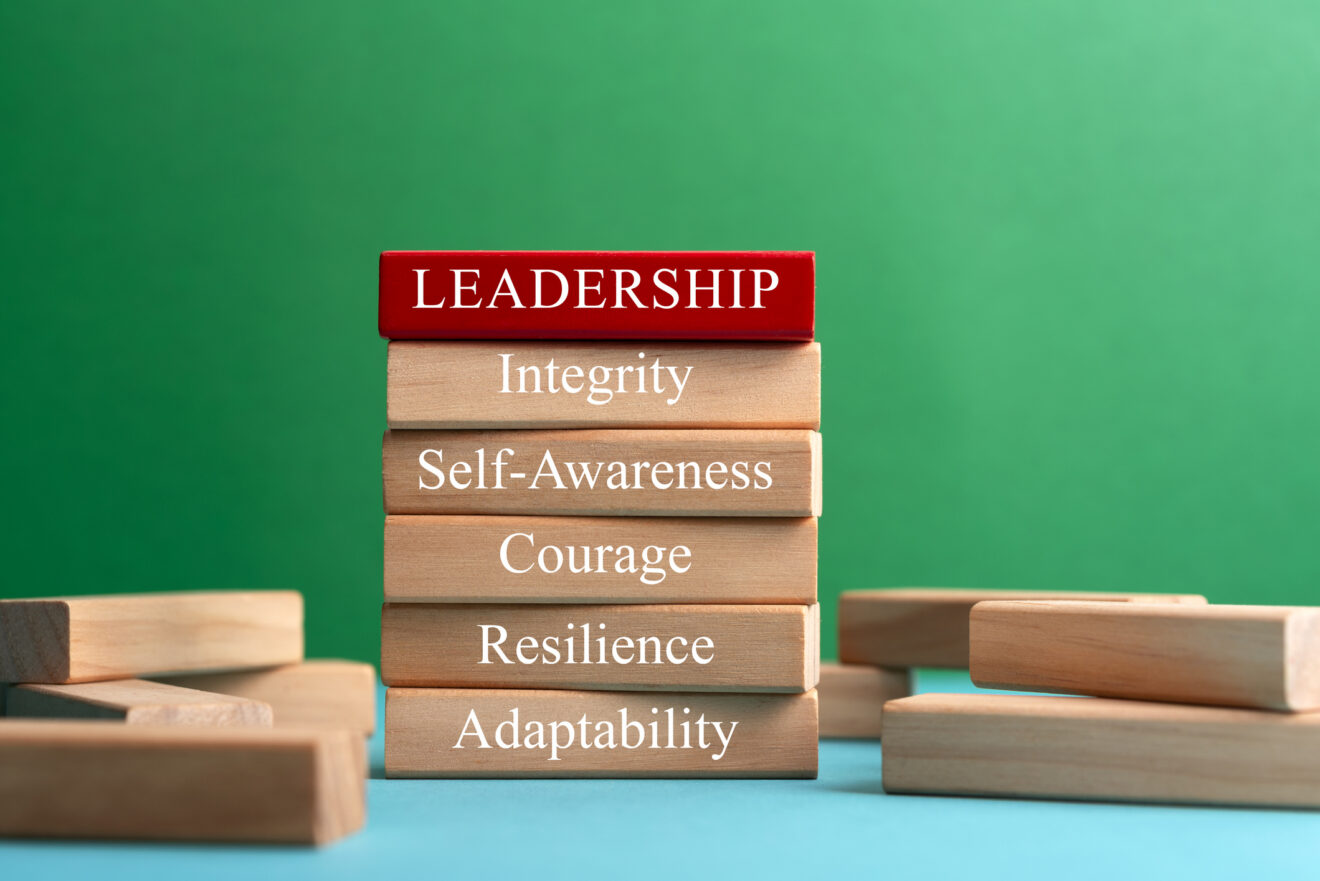
Adaptability is the most important skill of the future. Today’s world of work is unpredictable. Shifts in the market, technology and international politics are just some of the factors that can change priorities on any given day. Being able to adapt to these circumstances and maintain momentum is becoming a key differentiator for individuals and organizations that are able to get ahead. In fact, adaptability is becoming such a focus of development that we’re even seeing the term AQ (adaptability quotient) pop up as something people can assess alongside IQ (intelligence quotient) and EQ (emotional quotient).
However, adaptability is only half of the equation. Adaptability is useless unless it is paired with awareness. Awareness enables you to understand that the situation has shifted and to recognize the most important factors at play. It enables leaders to recognize early changes in performance, misalignment and disengagement, so they can adapt their approach to address them.
The need for adaptability and awareness isn’t limited to formal leadership roles. As organizations flatten, it’s critical that everyone is equipped to examine and adjust their approach to the changing circumstances they face. Even without a title, we are all given opportunities to lead and influence others through our actions and decisions.
Here are seven ways to build leadership awareness and adaptability at every level of the organization so that every team member can approach situations with curiosity and confidence.
1. Practice observation
We typically observe passively. However, if you’re looking to improve your awareness, the first step is to make a conscious effort to observe your surroundings. Look for how people respond to changing circumstances and how those responses might shift their ability or willingness. Catching these changes early lets you adapt your leadership style to address their performance needs.
2. Focus on alignment
Misalignment can be the biggest killer of success and engagement in an organization. That’s why it’s important to recognize when circumstances, goals or expectations have shifted and instead of assuming alignment, check in with your people. Let them know how you’re seeing the situation and how it will impact what you do moving forward. Allow them to respond and pay close attention to any differences between your interpretation of the situation and theirs.
3. Ask questions
Leading with curiosity is a cultural shift within an organization that empowers people to face uncertainty head-on. You can do this by asking questions. Ask senior leadership or the C-suite questions about the decisions they make, their priorities and how you and your team can be successful. Ask your team members questions about their performance, their engagement and what they need to build those. This invites reflection and ownership rather than simply giving them direction.
4. Empathize with others
Asking questions must be followed with empathy. Don’t jump to judgment when your team members are uncertain about a change you’re excited for. Buy-in looks different for everyone and can take time. Regardless of their starting point, responding with empathy creates psychological safety and encourages them to share more about what specifically might be affecting their willingness or confidence.
5. Build trust
Demonstrating empathy is one way you can build trust among your team members. Other ways to build trust include keeping confidences, building strong working relationships and holding people accountable, including yourself. Trust isn’t built overnight. It takes a long time to earn. But it pays off in dividends. Building trust gives people the confidence to take risks and stretch and grow. It creates loyalty and encourages people to bring their best selves to work.
6. Remain flexible
Adaptability is all about remaining flexible. This means adjusting your leadership approach as the situation changes. Your team members’ performance will always be in flux, and you need to be able to meet them where they’re at in that current moment. In some cases, that means showing up with a more supportive approach, focusing on collaborative problem-solving while empowering them to make the final decision. In other cases, you will need to be more directive, providing clear, step-by-step instructions and examples of “what good looks like.”
7. Lead with intention
Throughout all of this, you must always lead with intention. That means taking a moment to pause and ensure that your leadership approach is having the intended impact. In today’s fast-paced world, it can be tempting to go on autopilot to keep things moving quickly. But mismatching your leadership approach to the situation at hand can have significant negative consequences, including poor performance, lower engagement and higher turnover. You’re not going to get it right the first time every time, but leading with intention means checking in with yourself and your team, recognizing the mismatch and adjusting accordingly.
There is a lot of responsibility associated with being a leader, whether your influence is formal or informal. The most effective leaders are constantly striving for improvement. By building adaptability on a foundation of awareness, you set yourself up to address any situation and show your organization and team members that you care about them and want them to succeed. This is the kind of trust and accountability that not only carries organizations through difficult changes but transforms them for the better.
Opinions expressed by SmartBrief contributors are their own.
____________________________________
Take advantage of SmartBrief’s FREE email newsletters on leadership and business transformation, among the company’s more than 250 industry-focused newsletters.