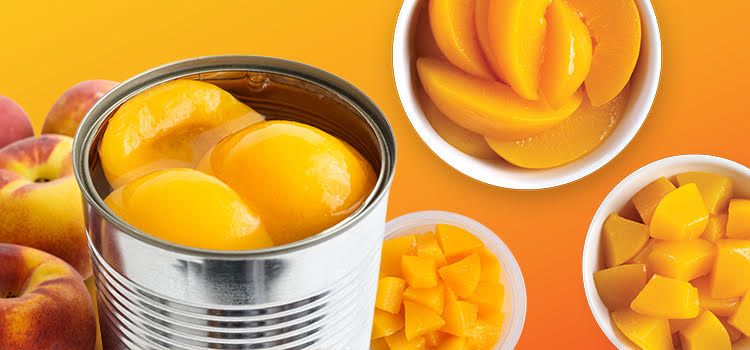
At a time when foodservice operators are transitioning menus to meet stronger consumer demands for clean, sustainable ingredients while also balancing higher costs resulting from tariffs, locally sourced, versatile ingredients can play a critical role in today’s foodservice kitchens.
According to Mike Binda, senior vice president of sales, transformation and local sales for US Foods, California Cling Peaches are a staple for the company’s operators.
“They allow us to deliver great taste and nutrition to students, patients and families, no matter the season,” Binda said. “It’s a product we trust to help us do what we do best: feed people well.”
Cultivated by family farmers in California’s Great Central Valley, California Cling Peaches are known for being picked only at full ripeness. Unlike many imported alternatives, California Clings are transported quickly from orchard to local canneries, where they’re processed within 24 to 48 hours. This short supply chain and rapid canning help maintain peak freshness, flavor and nutrient content, offering a locally sourced fruit option that supports traceability and consistent quality.
Here, Chris Zanobini, executive director of the California Cling Peach Board, shares insights on fruit canning and local sourcing and offers tips on how foodservice operators can boost menu options and convenience.
Talk through the process of what it takes to take California Clings from farm to can. How is that process different from some other canned fruits on the market?

California Cling Peaches are grown by multi-generational family farmers in California’s Great Central Valley. These peaches are harvested only when fully ripe and immediately transported to canneries located just miles away. Within 24- 48 hours, they’re washed, peeled, pitted, sliced and canned, without preservatives. Unlike imported or freestone peaches, which may be stored in long-term cold storage or shipped long distances before processing, California Cling Peaches go from orchard to can in one seamless, tightly controlled process. This ensures consistent quality, minimal nutrient loss and full traceability.
There’s been a lot of talk in the food industry lately regarding processed foods. How do you work to overcome myths related to canned foods?
It’s important to reframe the perception of “processed” when it comes to canned fruit. Canned California Cling Peaches are simply picked at peak ripeness and preserved at the height of freshness, often within just 24 hours of harvest. There are no preservatives, and the canning process locks in nutrients, flavor and texture. For institutional foodservice, this translates to dependable quality and nutrition without the spoilage risk of fresh fruit. Education is key. We help operators and dietitians understand that canning is a method of preservation, not a compromise on health or taste.
Labor costs and prep time are critical concerns for restaurants and institutions. Can you elaborate on the time-saving and efficiency benefits that canned California Cling Peaches offer to foodservice professionals compared to fresh or frozen alternatives?
Compared to fresh, which requires peeling, slicing and managing spoilage, or frozen, which requires thawing, canned California Cling Peaches arrive fully prepped and ready to use.
This drastically reduces prep time and eliminates the need for skilled labor to process fresh produce. In labor-strapped environments like schools and hospitals, the ability to open a can and immediately portion out fruit that looks and tastes fresh is a game-changer.
Waste reduction is also increasingly important for profitability and sustainability. How do canned California Clings help foodservice operations minimize waste, particularly when compared to using fresh produce that can spoil quickly?
With canned peaches, there’s virtually no spoilage, no trimmings and no guessing on yields. Every can delivers a known quantity of usable product. For operators focused on sustainability and cost-efficiency, that’s a big win. It means less food waste, lower disposal costs and more reliable food cost forecasting. The long shelf life also supports inventory control, allowing for smart purchasing and fewer last-minute product losses due to over-ripening or spoilage.
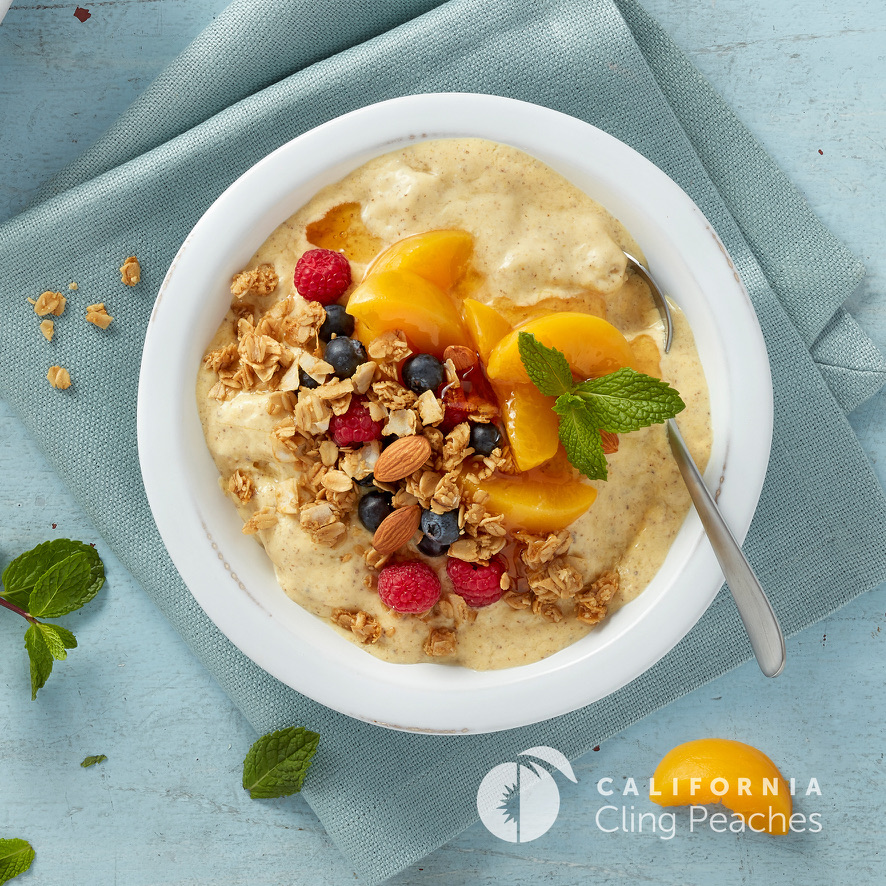
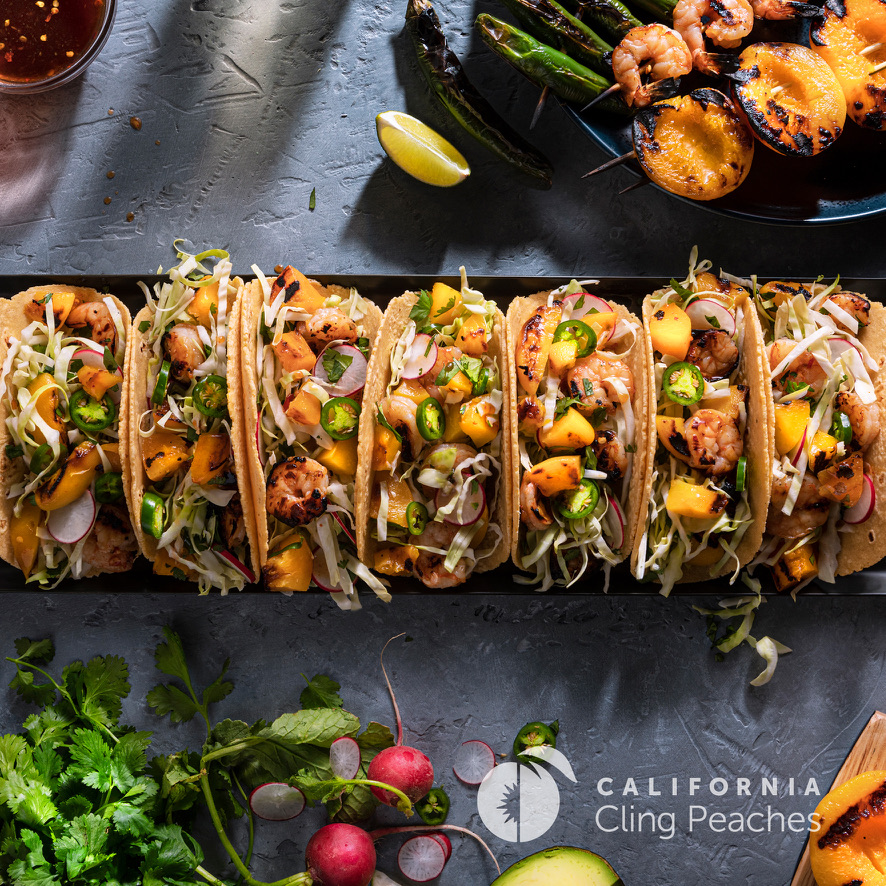
Beyond cobblers and crisps, operators are using California Cling Peaches in smoothies, salsas, flatbreads, grain bowls and even savory entrées like grilled chicken with peach glaze. In health care, they’re pureed for texture-modified diets or served chilled in juice for hydration. In schools,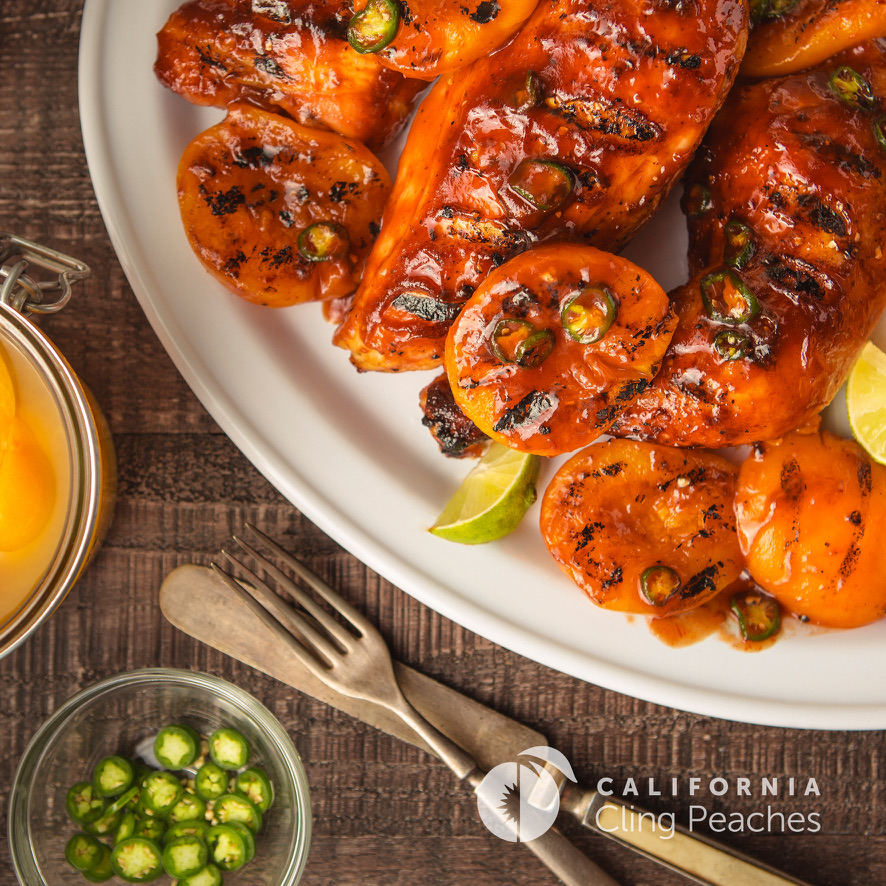 they’re popular in parfaits and as a naturally sweet topping for yogurt or oatmeal. Their vibrant color and sweet-tart flavor allow chefs to get creative while meeting nutrition and sensory standards.
Canned California Cling Peaches are shelf-stable, pre-sliced and ready to serve, requiring no washing, peeling or pitting. They offer consistent yield and portion control, reducing variability and waste in high-volume kitchens. Their versatility spans dayparts and menu types, from fruit cups to entrées to blended beverages. Because the product is always available, regardless of season or supply chain issues, foodservice teams can plan and execute with confidence year-round.
Could you discuss the nutritional aspects of California Cling Peaches and how they can contribute to meeting the dietary needs or preferences of various foodservice customers, from those in schools to those in health care facilities?
California Cling Peaches are rich in vitamin C, potassium and dietary fiber. They’re available in a variety of pack styles, including juice-packed and no-sugar-added, to help meet specific dietary guidelines. In K-12, they help meet USDA fruit requirements in an appealing way. In health care, they support hydration and fiber intake, while their soft texture works for therapeutic diets. Because they’re naturally sweet and colorful, they’re a great option for reducing added sugars while maintaining plate appeal.
Looking ahead, how is California Cling Peaches working with the foodservice industry to innovate and ensure your product continues to meet the evolving needs and trends of commercial kitchens?
 We’re actively engaging with school nutrition professionals, health care dietitians and foodservice chefs to understand their challenges and needs. From offering clean-label and no-sugar-added options to promoting scratch cooking with canned fruit, we’re committed to helping operators meet the demand for nutritious, affordable and easy-to-use ingredients. We continuously explore recipe development and menu support tools that make it easier to incorporate California Cling Peaches across a wider range of applications. Their reliability means operators can stock up during budget cycles or take advantage of volume discounts without worrying about perishability. This is especially helpful for school districts and health care facilities operating under strict budget constraints or emergency preparedness guidelines.
See below for more ideas on how to incorporate California Cling Peaches into your menus and meals.
Recipe Ideas for RDs and Nutrition Professionals:
https://californiaclingpeaches.com/rd-solutions
Recipe Ideas for “Grab-and-Go” Service (School/Cafeteria):
https://californiaclingpeaches.com/school-food-service
Recipe Ideas for home cooks, food lovers and culinary professionals: https://californiaclingpeaches.com/recipes
Recent related stories:
- Menus of Change Q&A: Building a better food system, one menu at a time
- Navigating the future of dining: Insights from the State of the Restaurant Industry 2025 Report
- Q&A: From bold flavors to “new-stalgia” — what’s next in candy and snacks
_____________________________________
If you liked this article, sign up to receive one of SmartBrief’s Food & Beverage newsletters. They are among SmartBrief’s more than 250 industry-focused newsletters.