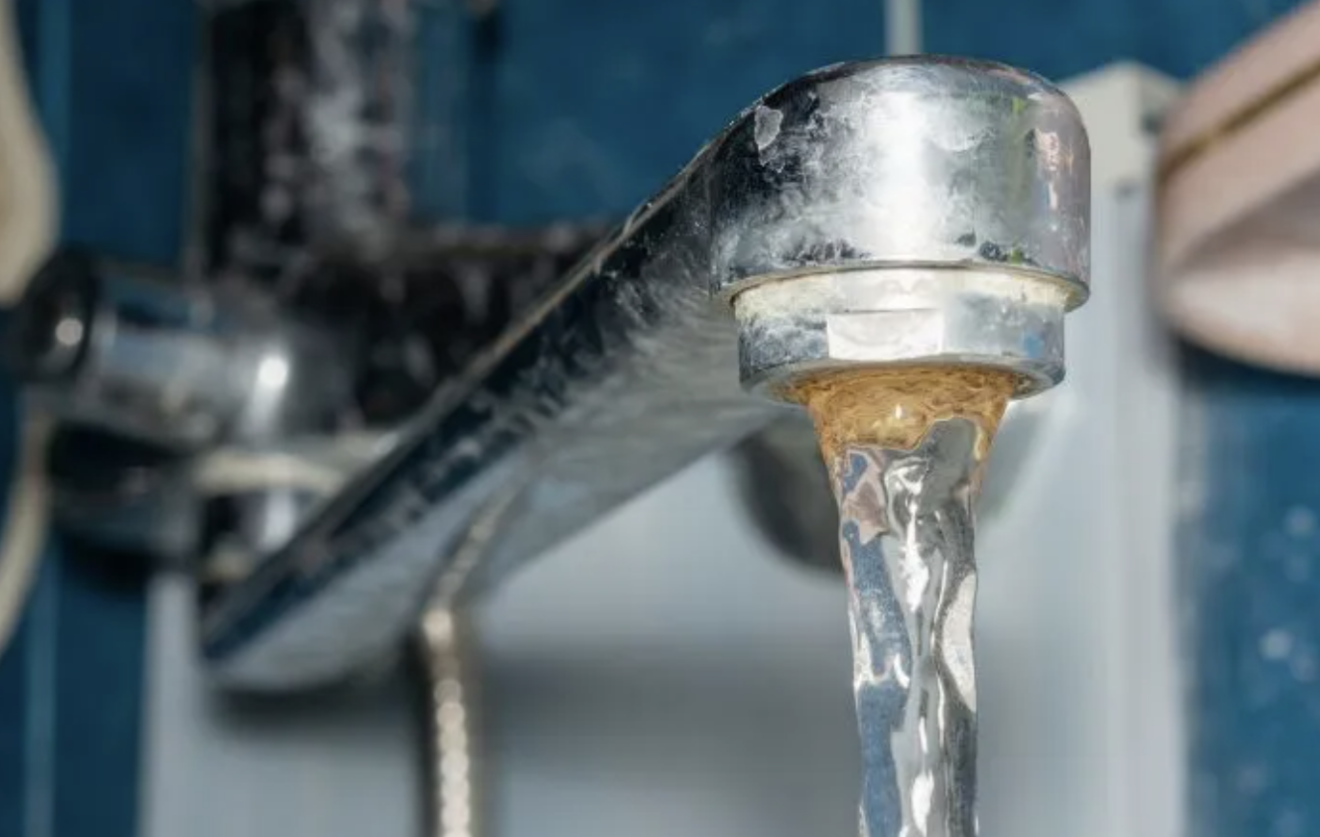
Cahokia Heights, Ill., residents say their tap water is disgusting, citing third-party testing that discovered E. Coli. City and utility officials counter that the water is safe. A legal reckoning is coming.
Regardless of outcome, it’s likely that Cahokia Heights’ 40-year-old water infrastructure will require upgrades. Like many US systems of its kind, it’s old and, arguably, wasn’t well-maintained. The Environmental Protection Agency estimates that $625 billion must be invested in US water infrastructure systems in the next 20 years. Recent federal funding programs barely touch this.
Who will pay in Cahokia Heights, Ill.?
Local residents – not the feds or the state – pay for most water utility upgrades. Yet Cahokia Heights residents are some of the nation’s poorest, and infrastructure upgrades don’t come cheap.
Water is life. And commerce.
Water utilities are run like a highly regulated business, essentially. US water utilities are funded almost entirely – 90% – on the fees they charge individual customers. This is regardless of who owns them. Investor-owned utilities, such as Illinois American Water that serves Cahokia Heights, make up about 10% of US water utilities and serve only 5% of the US population. The rest are municipal-owned.
All are high-capital, regional monopolies in which variable use must be balanced against high sunk costs. This means, for example, that water conservation often leads to higher water rates.
Where greater oversight makes sense
In Cahokia Heights, though, business interests may not align with those of residents, and federal oversight should come into play.
Here’s my reasoning*:
- Locals are not receiving the service (potable water) for which they paid.
- As such, the utility should refund resident water charges and/or supply locals with bottled water until the situation is rectified.
- On a local income of $16,000/year, the basics of life are luxuries. The utility may not have a business case for serving these people, but it has a moral one. Don’t the utility leaders know this? It’s even sadder that the cavalry isn’t on its way.
Water may get pricey. Everywhere.
Challenges facing small, rural cities such as Cahokia Heights (population 18,000) are often dismissed as the exception. The vast majority of Americans have good access to clean water. However, the economics of water in the US are changing. 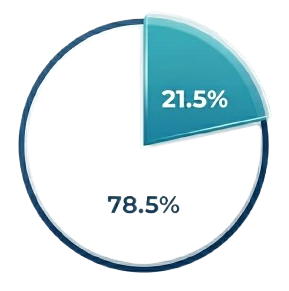
Consider that:
- Systemic costs are rising, according to a March 26 report from the American Water Works Association. This isn’t a temporary cost increase due to, say, one-off maintenance projects or replacing lead pipes. Systemic project cost increases are needed to pay for cybersecurity, more complex equipment and climate resilience.
- In 25 years, potable water may be unaffordable for far more Americans, the same AWWA report says. User fees are expected to more than double, forcing more than a fifth of American users to spend 2.5% of their income on drinking water. EPA-defined water unaffordability begins at 3%. (See EPA details here.)
Utilities are brainstorming
The favorite solution is more funding. Others include new pricing models, regional partnerships and collaborative project management.
- User fees can’t be the end-all. A new pricing model proposed by the US Water Alliance and Stantec mixes usage and category fees. The agencies argue that traditional individual usage fee systems significantly burden localities while threatening access for all.
- Regional partnerships among utilities show promise. California, New Mexico, Kentucky and North Carolina, as well as counties and cities, are among municipalities considering ways to pool resources. Joint service agreements, public-private partnerships and informal arrangements such as data sharing are being tested to improve affordability.
- Project management also is becoming collaborative. Water and wastewater utilities increasingly use collaborative delivery methods that rely on close partnerships among utility owners, designers and operators. Training, case studies and tools such as construction management at-risk contract templates are available from the Water Collaborative Delivery Association.
Utilities are businesses that, with exceptions, pay their own way. But when the industry prices water above what a fifth of Americans can afford, alternatives are needed — and that’s under the best of circumstances. Consider the worst, as when a wildfire or flood ravages infrastructure that may have otherwise lasted decades.
* Assuming the residents’ allegations are correct.
If you enjoyed this article, subscribe to SmartBrief for Civil Engineers or one or more of SmartBrief’s more than 30 infrastructure newsletters.