Plant-based eating takes center stage each January as millions of people around the world pledge to eschew meat, dairy and eggs for 31 days. Veganuary began in the UK 22 years ago, and last year, active campaigns were held in 20 countries, drawing in more than 25 million people.
The nonprofit organization that started he campaign has high hopes that helping people explore plant-based eating deliciously and joyfully at the start of each new year can convince more of them to adopt a vegan lifestyle.
Both the campaign and the vegan food options available have evolved considerably since the first Veganuary, and the plant-based food category is still a relatively young industry segment with an evolution that has mirrored older, more established categories like traditional meat, bread and dairy. As it matures, the key to future growth for plant-based companies will be understanding the changing needs of their customers and knowing who they’re competing against for consumer dollars, said Angela Flatland, Senior Sales Director at SPINS.
During a recent webinar titled How Is Plant Based Evolving and What’s Next?, Flatland and several of her SPINS colleagues offered a glimpse of where the category has been and where it’s likely to go in the new year and beyond.
Getting up to speed with plant-based
First, a bit of historical perspective. The plant-based food category gained momentum in about 2015 through 2017 as innovation enabled the creation of new products that more closely resembled traditional meat, dairy and eggs.
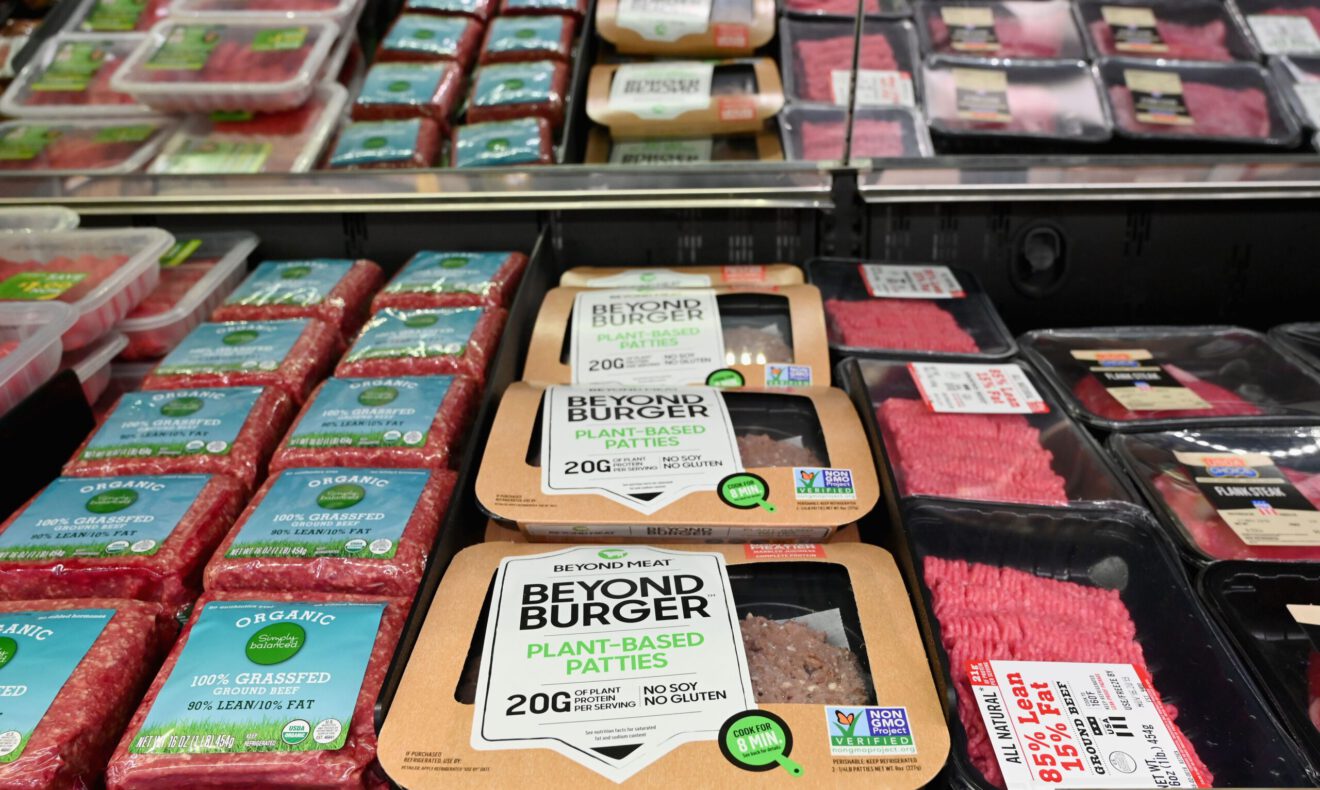
Beyond Meat went public in 2019, and the spectacular rise of that company, along with Impossible Foods, ushered in the era of plant-based meat alternatives that replicated animal-based foods much more closely.
Before the rise of the innovative technology that enabled the creation of these more realistic meat alternatives, veggie burgers were just that – patties that were tasty but clearly crafted out of beans, grains and other plant foods. They could be delicious, but they were never going to be mistaken for meat.
The success of Beyond and Impossible raised awareness of the reasons for putting more plants on our plates, including the health of humans, animals and the planet. It also illustrated the business case for plant-based meat innovation and spawned scores of new brands and products looking to feed the growing demand for plant-based replacements for popular foods, including burgers, chicken nuggets and cheese.
Grocers recognized the trend and made more shelf space available for the surge of new products. When the pandemic hit, consumers’ concerns about health and nutrition fueled a 27% increase in retail sales of plant-based products in 2020, according to the Plant Based Foods Association.
Price inflation took a bite out of sales in the years following the pandemic, and while these products might prove popular with vegetarians and vegans, the category isn’t going to win long-term by catering strictly to those groups. Vegetarians make up an estimated 4% to 5% of the US population, while vegans are only about 1% to 3% of the total. Those percentages have stayed relatively stable over the years, which means brands seeking growth and longevity must win over omnivores and flexitarians and find ways to keep them coming back.
Data from the SPNS presentation show that the main competitors for consumers’ food dollars are animal-based food makers, many of which have revved up their product innovation and messaging to appeal to consumers who might have been experimenting with plant-based eating. That, in turn, means plant-based brands must do the same to capture a larger share of the market.
The pendulum swings both ways
SPINS data show that sales of plant-based milk alternatives dipped a bit over the past year while sales of dairy milk rose slightly, and the same pattern played out in the plant-based meat and animal meat categories. In both cases, the shift was largely the result of consumers switching back to animal-based products, although some of the shift away from plant-based meats occurred as consumers sought less processed protein alternatives, such as beans and tofu.
And, while many shoppers are back to buying animal-based meat and dairy products, plant-based protein products across the store are also still in demand, said Jenn Dackor, SPINS senior customer success manager.
Especially in demand are plant-based products with a high fiber content, amid a resurgence in interest in fiber by both general shoppers and GLP-1 medication users. Plant-based products containing probiotics, such as yogurt, kombucha and certain bars are also outperforming both in the category and the total store, Dackor said.
Millennial and Generation Z consumers are seeking gut support from food rather than supplements, driving innovation in the yogurt category. “Yogurt is a food consumers see as nutrient-dense and convenient,” Dackor said, making it a popular choice for different meals and snacking occasions. Households with people taking GLP-1s eat three times the amount of yogurt than non GLP-1 households and that’s expected to keep growing this year.
Demand for functional ingredients like green tea and matcha that promise to deliver antioxidants is also expected to drive plant-based demand. Mushrooms have also become ubiquitous in recent years for their functional properties.
Plant-based consumers are also increasingly concerned about sustainability, and brands have seen surging demand for plant-based products that are also certified organic. Other labels that resonate with plant-based consumers include Fair Trade, Certified Upcycled and Glyphosate residue-free.
Natural markets have always been a place for consumers to discover new plant-based products, and that trend is holding – plant-based sales at natural markets are higher than at conventional grocers. Natural channels tend to draw shoppers who are more loyal and less price-sensitive than conventional shoppers.
These days, more than half of millennials and Gen Zers are likely to discover new products on social media, making it vital for brands to have a social presence that connects with younger consumers.
Another factor that could impact plant-based meat sales this year is the new federal food guidelines released this week. The inverted food pyramid discourages consumption of heavily processed foods and added sugar, and encourages consumption of traditional meat, dairy and eggs, which consumers previously were advised to eat more sparingly on concerns about saturated fat.
Related stories:
- Navigating the future of dining: Insights from the State of the Restaurant Industry 2025 Report
- Q&A: Unearthing the Mediterranean with Worlds of Flavor
- Food industry event marketing: Why storytelling is your best asset
_____________________________________
If you liked this article, sign up to receive one of these daily newsletters: CIA ProChef SmartBrief, ACF Chef’s Table SmartBrief or Restaurant SmartBrief. Check out the rest of our SmartBrief Food & Beverage newsletters and connect with us on our SmartBrief on Food & Beverage LinkedIn page.