Marketers have long known that no ad beats a recommendation from a trusted friend, neighbor or family member.
Research from Nielsen found that 92% of consumers trust recommendations from friends and family over all other forms of advertising. Data from McKinsey shows that marketing-induced consumer-to-consumer word of mouth generates twice the sales of paid advertising, while Deloitte’s Digital Consumer Trends report proves that referred consumers have a 37% higher retention rate.
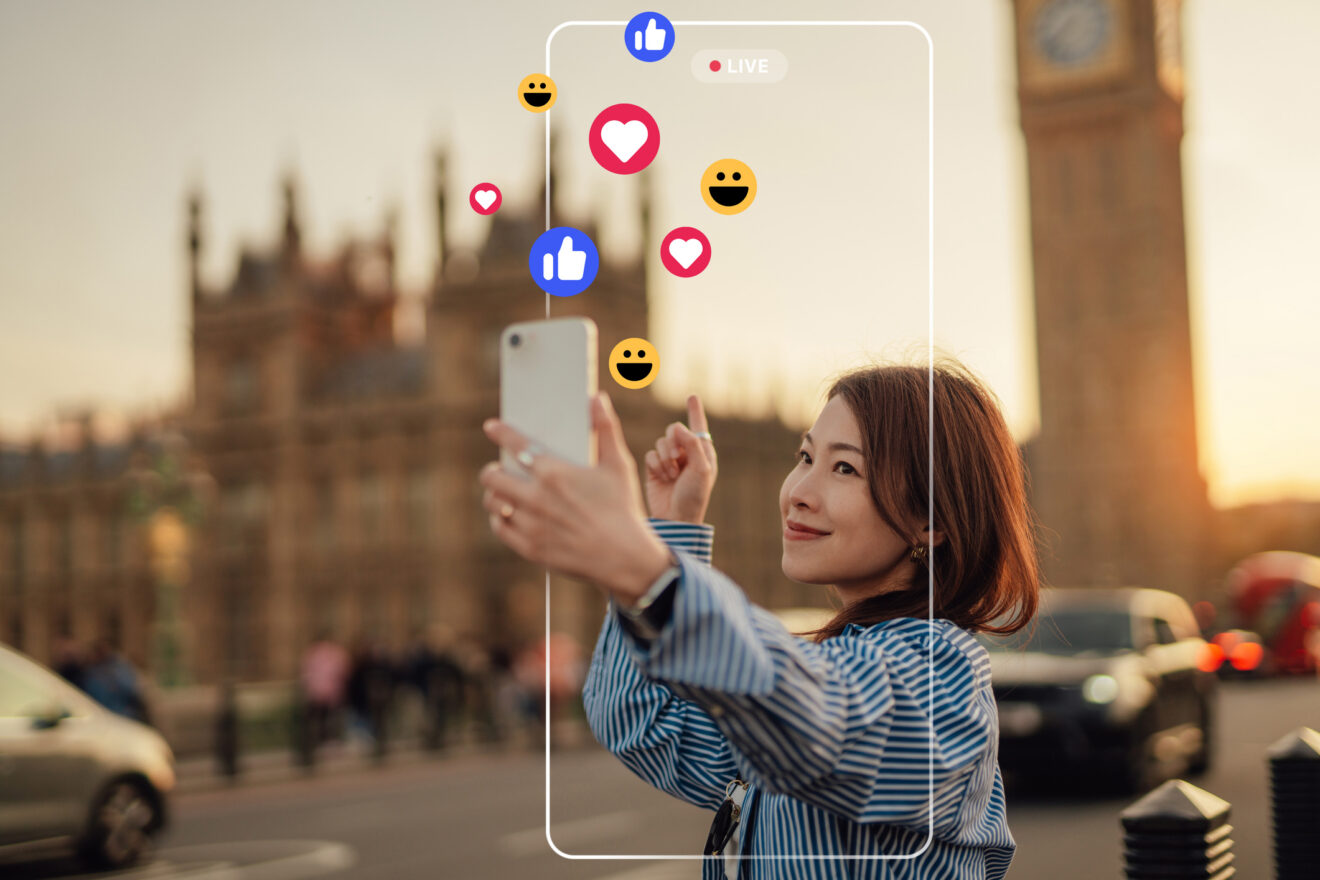
Now, advertisers are turning to creators to bring word-of-mouth marketing into their marketing stacks.
Over the past year, multiple marketers, including Target, Aerie and Little Spoon, relaunched or rolled out creator marketing programs targeting creators with a few thousand followers. Though Target and other marketers are still working with creators with massive follower counts, more brands realize the value of working with many creators with smaller follower counts and a strong presence in their communities.
Marketers understand that posts on social media and elsewhere from creators with smaller follower counts won’t reach as many people. However, most of those reached have a real relationship with these creators. It’s the authenticity of these relationships, spread across communities all over the country and world, that can deliver word-of-mouth-like impact for marketers.
Beyond the authenticity and relatability of the posts uploaded by local creators with lower follower counts, they also cost marketers significantly less than a post from an A-list influencer. Gift cards, personalized discount coupons and early access to relevant products can be enough to convince them to post.
And with the local presence of the posts, a post that might be deemed offensive is less likely to become a national media story, like the recent backlash against Converse and Callaway Golf.
Tech makes creator marketing easier to run
Historically, one of the challenges of creator marketing is that it’s very labor-intensive. To address this challenge, various technology vendors have created solutions to make creator marketing faster, more efficient and easier to manage.
Leading consumer goods marketers test their ads before running them, whether it’s via a focus group or an A/B test with a demand side platform (DSP). To address the pre-testing pain point, Nestlé is working with CreatorX to pinpoint creator posts that will perform best as part of a marketing campaign. CreatorX’s technology analyzes and scores each creator post based on Nestlé’s brand relevance and storytelling ability, then sends the scores to CreatorIQ, Nestlé’s creator marketing partner platform. Based on the scores, Nestlé’s campaign managers determine which creator posts will be supported with media spend.
Another challenge many marketers face is incentivizing creators to post. To address this challenge, an app called Kale hosts challenges for brands. The creators who complete the challenges and post the relevant content to their followers get paid. For example, Breyers ice cream ran a challenge encouraging creators to “recreate your own French toast using Breyers ice cream and custom exciting toppings!” According to the influencer marketing team at Breyers, the Kale challenge resulted in 300 videos over three weeks from 200 creators. The videos generated more than 80,000 total engagements with an average engagement rate of 9%.
Every creator also brings a different audience. Across the categories we work in, from betting, iGaming, fintech and crypto to music and ecommerce, we look at the age group and gender split of a creator’s audience before developing a concept.
In regulated categories, this matters even more, because advertising rules can restrict content that is likely to appeal to young audiences, including creators with a large young following.
Building community to drive word-of-mouth
These programs bring in local people who like to post content to their friends and family. In essence, these brands are building community support for themselves. Marketers are building local advocacy for their brands without breaking their marketing budgets by providing these creators with gamified and tiered rewards, and performance-based payments.
Marketers benefit from relevant creator posts in their local social media outreach, exciting their local creators with the brand support they receive, and with content that’s from the community while also being for the community.
This is exactly what word-of-mouth marketing is and does.
Localized creator content marketing can enable marketers to achieve word-of-mouth marketing. The challenge is to make local creators’ efforts scale because in today’s performance-driven digital marketing world, campaigns that don’t scale don’t succeed. Monitoring creator campaign performance and budget migration to local creator initiatives will show whether marketers can really move product through local creator campaigns and whether those efforts can scale.
Opinions expressed by SmartBrief contributors are their own.
____________________________________
If you liked this article, sign up for the SmartBrief Marketing Pulse, a daily look at the latest in shifts and performance data for marketers.