“I’ll ask ChatGPT” has become such a ubiquitous reply in the executive leadership world that I, like many leaders, sometimes worry about how much longer my expertise will be needed.
Maybe you feel the same way.
While one McKinsey report shows that companies are still struggling to find viable uses for AI in business, individual users have been tinkering with its applications in daily living.
Gallup reports that 70% of US adults are using AI tools and chatbots this year, making the technology’s adoption significantly faster than that of the internet, smartphones and social media. They are using the technology for countless projects: sending emails (and reading emails sent with AI), creating healthier diet plans, scheduling vacations and creating shareable memes.
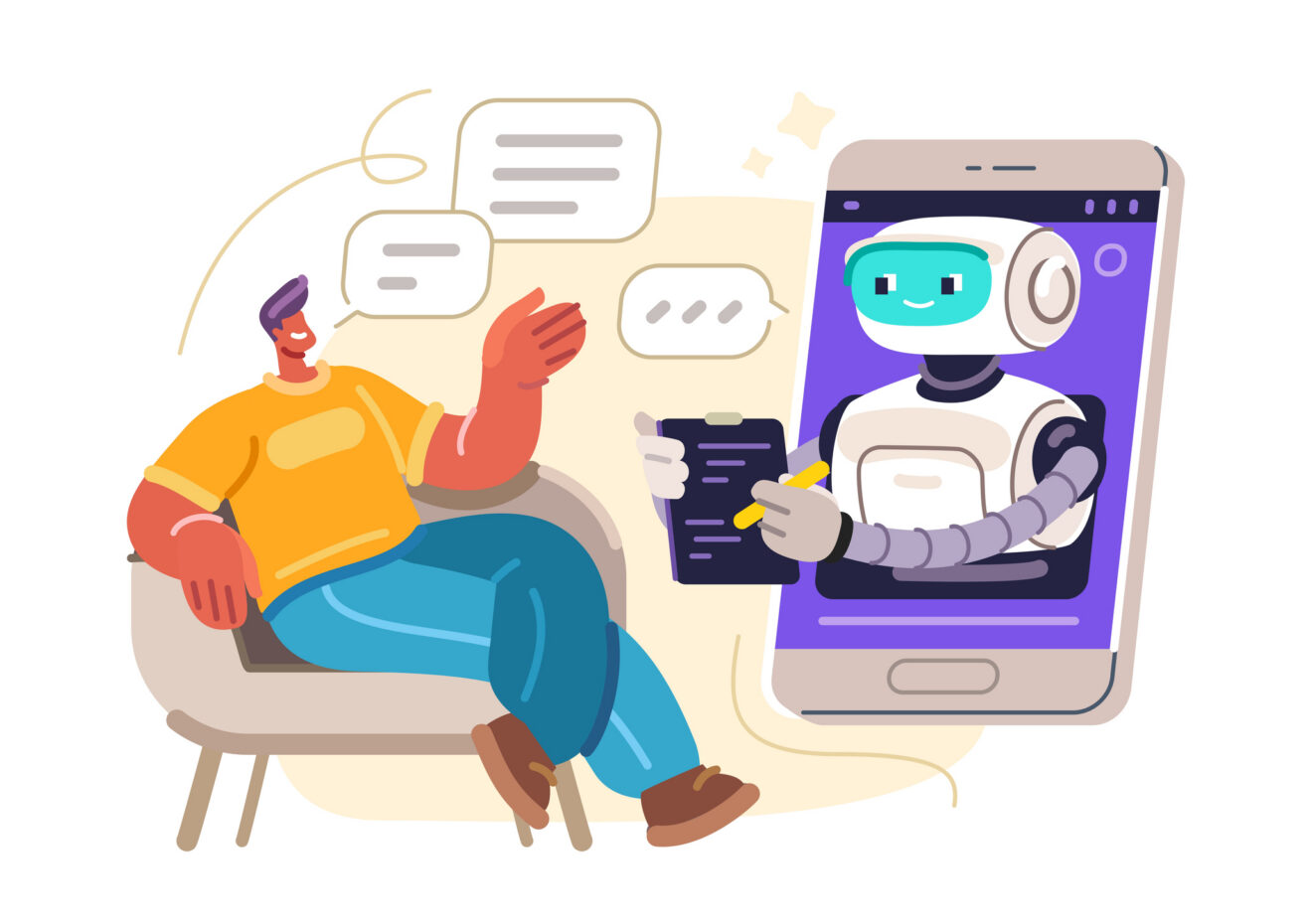
I shouldn’t have been surprised when a Customer Assurance Manager for a major airline, whom I was supporting with executive leadership coaching, told me she was using ChatGPT to navigate a conflict with a leader in another department. After all, according to the annual survey done by the company Filtered, the top use of AI by individuals is “therapy/companionship.”
As a people leader, you can use AI to provide insight and direction for resolving disputes. It’s also appropriate to be concerned about its limitations and misdirections.
For leaders who want to turn AI into an empathy engine to help them lead their people better, here are three things to remember to make AI a successful coach.
1. Everything depends on the prompt.
AI output will only be as good as the input. When it comes to using AI to coach and navigate interpersonal dynamics, what you put in will dictate the quality of the guidance you receive.
For example, beginning with conflict or opposition will often result in an adversarial or competitive approach from AI. If you depict someone as unqualified or socially inept, AI will provide countermeasures that may be unbusinesslike at best and unscrupulous at worst.
Instead, take the time to develop a strong empathy map of the other person. Begin by describing who you are empathizing with, including factual details such as approximate age and job role. It’s okay to include assumptions and even bias so long as you phrase them such (“I sometimes think” or “It seems to me” or “In my experience”). Continue your factual context with examples of things you have heard them say and behaviors you have observed.
Now, dive deeper by placing yourself in their position. To the best of your ability, answer questions from their perspective:
- What are they trying to achieve?
- What are they trying to avoid?
- What are they seeing and hearing?
- What are their underlying needs and wants?
- What don’t I know?
- What should I ask them about?
- What would I want to know if I were in their situation?
Finally, ask the AI what else you should consider or what you’re leaving out, refining your input based on its suggestions.
Working with AI is a conversation, so continue to iterate until the insights feel authentic and actionable.
2. Use a trusted communication model for your results.
Understanding is just the first step in reaching a meaningful resolution. When you feel you have an adequate portrait of the other person, you can pivot your AI conversation to your desired outcome.
To prepare you for an effective interaction, introduce a proven communication model and ask AI to frame your response. If this is a coaching opportunity, AI can provide prompts for effective inquiry and advocacy. Ask for open-ended questions that work well in the GROW model. If this feels more like feedback, invite the AI to complete an SBI, STAR or IDEA framework for the conversation.
If these models don’t apply, it’s always appropriate to ask AI for approaches based on the relationship and situation. When AI offers a possible approach or phrase, be specific about how you feel about saying it, and about how you think it might be received.
Simply put, difficult conversations take preparation and practice. AI can provide that opportunity before you engage in real life.
3. Step away and be human.
AI can be a remarkable tool for knowledge transfer, learning and preparation. It’s a starting place for the human interactions that build trust, foster emotional connection and drive loyalty in ways technology cannot replicate.
People leaders know that effective communication includes many ingredients: the right atmosphere, balancing timely response with appropriate consideration, listening as an ally, emotional regulation, an impactful, respectful tone and empathetic body language.
AI can help coach and develop these skills and competencies, but it can’t implement them. Only you can do that.
AI as a rehearsal space for better human connections
AI is a powerful tool that can help leaders develop the empathy and communication tools they need to navigate complex team dynamics.
When I followed up with my Customer Assurance Manager client, who works for a major airline, she reported what I most often hear from clients about AI. “It was helpful,” she said, “but it didn’t do the job for me.”
She confessed that having the actual conversation was still the most intimidating and difficult part.
I asked her how things had turned out: “Much better than if I had stormed in there unprepared.”
That’s the most effective use of AI. It can help make humans better humans.
Opinions expressed by SmartBrief contributors are their own.
____________________________________
Take advantage of SmartBrief’s FREE email newsletters on leadership and business transformation, among the company’s more than 250 industry-focused newsletters.