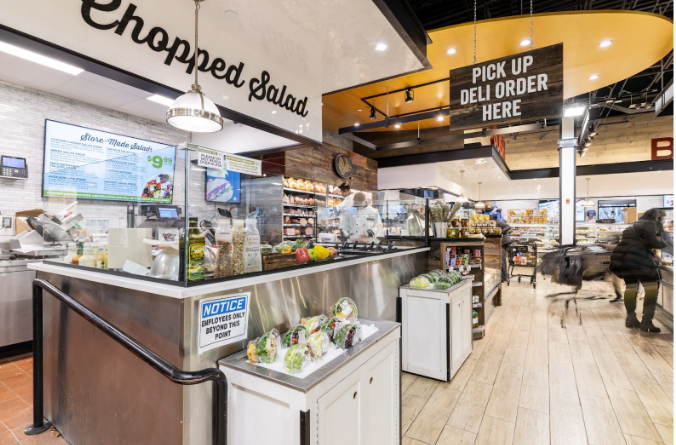
Health, entertainment, exploration and convenience are shaping how consumers shop for food in 2026 – but the real opportunity for retailers lies in how those priorities are executed in-store and online.
According to FMI – The Food Industry Association’s 2025 U.S. Grocery Shopper Trends report, shoppers continue to prioritize “eating well,” even as prices rise. They’re willing to invest in foods that support health, deliver enjoyment, introduce new flavors and simplify meal preparation. For grocery retailers, the challenge is no longer identifying these trends – it’s operationalizing them in ways that drive loyalty, frequency and basket size.
“Eating well” is the strategy – not just the trend
For today’s shopper, “eating well” goes beyond nutrition. It reflects a broader set of values: quality, enjoyment, discovery and ethical sourcing.
Operationally, that puts pressure on retailers to move beyond messaging and into execution. Fresh perimeter departments – foodservice, produce, meat and deli – become central to delivering on both health and experience. Assortment, merchandising and prepared foods programs should reflect not just better-for-you positioning, but also flavor, variety and social connection via shareability.
Budgeting behavior creates opportunity – not just constraint
An overwhelming majority of shoppers (86%) say budgeting isn’t burdensome, and 44% report liking or loving it. Shoppers are budgeting for food more frequently than for other expenses and will cut back on leisure activities, consumer goods and services before they reduce grocery spending.
For retailers, this reinforces the importance of value as a multi-dimensional concept. Tools like meal planning support, digital ordering and clear value communication can help shoppers stay within budget while still achieving their goals around health, convenience and enjoyment.
Turning priorities into execution
Despite inflation concerns, shoppers consistently prioritize and are willing to invest in four key areas but they expect to see those benefits delivered in tangible ways:
Health becomes actionable through ingredient quality, fresh offerings and better-for-you prepared meals.
- Nearly half (46%) want to eat more healthfully.
- Health is the strongest driver of spending.
- Shoppers see healthy food as an investment that may reduce future healthcare costs.
Entertainment shows up in at-home meal occasions, family bundles and foodservice experiences.
- Shoppers value food experiences that provide enjoyment, relaxation and family connection.
- At-home entertainment (e.g., movie/game nights) can substitute for out-of-home spending.
Exploration is driven by new products, global flavors and limited-time offerings.
- Shoppers want to discover new products, cuisines and flavors.
- Exploration satisfies curiosity and serves as a form of “travel at home.”
Convenience requires frictionless solutions, from grab-and-go to partially prepared ingredients.
- Shoppers value convenience when it supports higher-order goals (health, family time, cooking).
- They’re willing to pay for solutions that remove friction.
The retailers that win will be those who translate these drivers into specific programs – not just promotions. Building trust through transparency, high-quality perimeter departments and alignment with shopper values positions grocers as essential partners in their customers’ everyday lives.
Where, when, how and why: Executing across the shopper journey
Operationalizing these trends requires aligning with how shoppers actually behave.
Where: Omnichannel is now baseline. Retailers must optimize both in-store and digital experiences, balancing fresh quality with convenience and accessibility.
- Supermarkets (40% primary store share) remain dominant but must compete on fresh quality, selection and health.
- Mass retailers (31% primary) attract younger, budget-conscious and parent shoppers with competitive pricing and convenience.
- Omnichannel is essential: 67% shop online at least occasionally; 33% of grocery budgets among online shoppers goes to digital orders.
Retailer action: Optimize both in-store and online experiences. Mass retailers should emphasize value and convenience. Supermarkets should double down on fresh perimeter excellence.
When: Weekly shopping rhythms still dominate, creating opportunities to drive frequency through promotions, fresh rotations and loyalty strategies.
- Shoppers visit stores an average of 1.5 times per week.
- 53% budget for food weekly or bi-weekly.
- Primary stores capture 70% of weekly spend and 68% of trips.
Retailer Action: Design promotions and fresh product rotations around weekly shopping rhythms. Encourage frequency through loyalty programs and personalized offers.
How: Value is led by quality – especially in produce, meat and overall assortment – before price or convenience enter the equation.
- 75% prioritize high-quality fruits and vegetables.
- 72% want great product selection.
- 71% seek high-quality meat and low prices.
- Only after these do shoppers prioritize convenience, sales or proximity.
Retailer Action: Lead with quality in fresh perimeter departments (produce, meat, deli), not just price. Bundle convenience with quality (e.g., pre-cut vegetables that still deliver freshness).
Why: Trust is critical. Shoppers increasingly see their primary retailer as a partner in supporting health and well-being.
- 51% trust their primary store to help them stay healthy (more than most institutions).
- Shoppers increasingly expect retailers, manufacturers and government to share responsibility for food safety and nutrition.
Retailer Action: Build trust through transparency, health-forward merchandising and community involvement. Position your store as a partner in shoppers’ health journeys.
Foodservice at retail: Where execution matters most
One of the clearest opportunities to operationalize shopper demand is in grocery foodservice.
Consumers continue to seek restaurant-quality meals, but with greater value and convenience. Many say they would shift away from dining out if better-prepared food options were available at retail – creating a significant opening for grocers to expand their perimeter offerings.
Retailers can immediately translate shopper priorities into action by:
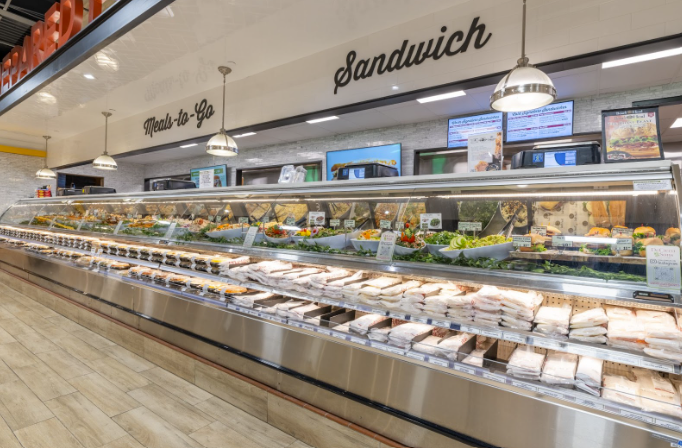
- Expanding fresh-prepared meals that emphasize quality ingredients and health-forward attributes, positioned as restaurant-quality at grocery value
- Simplifying meal prep with partially prepared ingredients, meal kits and planning tools that reduce friction while preserving control
- Elevating the deli experience with chef-driven offerings, limited-time items and bundles designed for at-home occasions
Each approach connects directly to core shopper drivers while reinforcing the store’s role as both a food provider and a solutions partner.
The bottom line
In 2026, success in grocery retail won’t come from identifying trends – it will come from executing against them.
Shoppers are clear about what they value: health, quality, experience and convenience – and they’re willing to spend on food that delivers. Retailers that operationalize these priorities won’t just meet expectations – they’ll capture demand, build long-term loyalty and redefine what it means to serve the modern grocery shopper.
Related stories:
- The +10% sales growth opportunity: Why 2026 is the year to revolutionize grocery foodservice
- Exclusive: FMI unveils AI assistant to enhance research access
- FMI Midwinter 2026: AI and collaboration take center stage
_______________________________
If you liked this article, sign up to receive the FMI dailyLead, a daily newsletter covering the food retail industry. Check out the rest of our SmartBrief Food & Beverage newsletters and connect with us on our SmartBrief on Food & Beverage LinkedIn page.