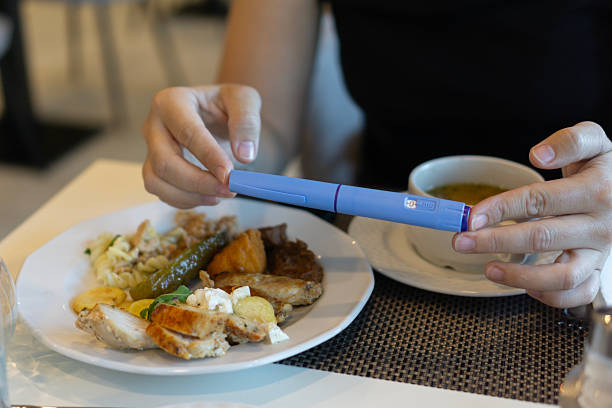
Glucagon-like peptide-1 receptor agonists, or GLP-1 RAs, are a class of medications originally developed to treat type 2 diabetes but now widely used for weight loss. They mimic the body’s natural GLP-1 hormone that helps regulate metabolism, slowing digestion, reducing appetite and signaling fullness to the brain. Based on 2025 Gallup poll data, 12.4% of US adults reported using a GLP-1 drug, such as semaglutide or tirzepatide, either orally or via weekly injections, with this percentage increasing rapidly. Due to reduced appetite among users, proper nutrition is crucial for healthy weight loss.

Registered dietitian Grace Derocha, a certified diabetes care and education specialist, nationally board-certified health and wellness coach, and a spokesperson for the Academy of Nutrition and Dietetics, discusses the importance of nutrition for people taking GLP-1 medications for weight management.
The use of GLP-1 receptor agonist medications has surged across the US, whether it’s for the treatment of type 2 diabetes or obesity/overweight. What percentage of your clients are currently using GLP-1 RA medications?
With my current patient load, I would estimate about 30% to 50% of clients are either currently using or seriously considering GLP-1 receptor agonists. That number has grown rapidly over the past couple of years, especially among individuals managing type 2 diabetes, prediabetes or weight-related conditions. It’s no longer a niche therapy; it’s becoming part of mainstream care.
How has the rise of GLP-1 medications changed the way you counsel patients with obesity? How does your approach differ for someone using medication vs. someone losing weight without medication?
GLP-1 medications have shifted the conversation from “just eat less and move more” per se to a more nuanced, biology-informed approach. For patients on medication, I focus on:
- Protecting lean muscle mass.
- Preventing nutrient deficiencies.
- Optimizing small amounts of food for maximum nutrition.
For those not using medication, appetite regulation and behavioral strategies are still central. The biggest difference? With GLP-1s, appetite is no longer the primary barrier, nutrition quality is. So, we move from “how do we reduce intake?” to “how do we make every bite count?”
What are the biggest nutrition challenges patients experience once they start GLP-1 medications?
The most common challenges I see are:
- Low appetite leading to under-eating.
- Early satiety (feeling full quickly).
- Nausea or GI discomfort.
- Reduced interest in food, including healthy foods.
This can lead to patients unintentionally eating too little protein, fiber, micronutrients and overall calories, which can impact energy, metabolism and muscle mass.
What are the most common nutrient deficiencies you worry about in these patients?
I’m most mindful of:
- Protein, which is critical for muscle preservation.
- Fiber for gut health, blood sugar control and regular bowel movements.
- Iron and vitamin B12, especially in women and those eating less animal protein.
- Calcium and vitamin D, which are both important for bone health.
- Electrolytes (especially if intake is very low or nausea is present).
While not everyone becomes deficient, the risk increases when intake drops significantly.
How do you help patients meet their protein needs when appetite is very low?
This is one of the most important—and practical—parts of my counseling. I recommend: Prioritizing protein first at meals; eating small, frequent protein-rich portions (rather than large meals); and incorporating easy-to-tolerate options, like Greek yogurt, eggs, tofu or edamame, and protein smoothies or shakes. Sometimes I say: Think of protein as your anchor and build around it.
Do you recommend specific eating patterns, such as small meals or high-protein snacks, or is it mainly on an individual basis?
Yes, but always individualized. A common structure that can work well:
- Three small meals plus one to two snacks daily.
- Protein is included each time.
- Eating every three to four hours, even if not necessarily hungry.
This helps to maintain energy levels, prevent muscle loss and reduce GI side effects. That said, I always tailor recommendations to health goals, cultural preferences, lifestyle and tolerance—because sustainability matters.
What are the biggest long-term nutrition concerns for someone using GLP-1medications?
Long-term, it is important to think about:
- Loss of lean muscle mass (sarcopenia risk).
- Bone health.
- Metabolic adaptation if intake stays too low.
- Weight regain if sustainable habits are not built.
GLP-1s are powerful tools, but without nutrition support, we risk short-term weight loss without long-term health.
How do you help patients build sustainable eating habits while they’re on the medication?
I try to teach them to focus on consistency over perfection and building balanced meals with protein, fiber and healthy fats, as well as encouraging mindful eating and body awareness. Importantly, we work on habits that will last even if the medication is reduced or stopped, including meal planning basics, grocery strategies and understanding hunger/fullness cues. It is about creating a healthy lifestyle for the long haul, not just a temporary phase.
Are there specific populations that need extra caution?
Yes. Older adults have a higher risk of muscle and bone loss. Teens are still growing; they need careful monitoring. Athletes need adequate fueling despite reduced appetite. In individuals with a history of disordered eating, appetite suppression can be complex. These groups benefit greatly from close nutrition supervision.
What do you think people misunderstand most about weight-loss medications?
The biggest misconception is that these medications replace the need for healthy eating. In reality, they support appetite regulation, but they do not ensure nutritional adequacy. Without intentional nutrition, patients can lose weight—but not necessarily improve overall health.
What mistakes should people avoid when using these medications for weight management?
Common pitfalls include:
- Skipping meals entirely.
- Not prioritizing protein.
- Ignoring hydration.
- Relying on very low-calorie intake long-term.
- Not seeking professional guidance.
I often remind patients: Eating less is not always better, eating smarter is.
Would you recommend people consult with a registered dietitian before starting a GLP-1 medication?
Absolutely. Collaborating with a registered dietitian, ideally before or early in the process, can help set realistic expectations, prevent nutrient gaps and create a personalized plan. It is one of the best ways to ensure safe, effective and sustainable results. Nutrition and dietetics professionals translate nutrition science into realistic meal plans, grocery tips and small changes that actually stick. Nutrition and dietetics professionals offer the science-based, personalized guidance that social media and AI cannot. Unlike influencers, they are required to complete ongoing, rigorous continuing education to maintain their credentials, ensuring their advice stays current, evidence-based and trustworthy.
What are the three top nutrition tips you would recommend for someone starting a GLP-1 medication?
- Prioritize protein at every meal. Aim for a consistent intake to protect muscle and support metabolism.
- Do not skip meals—even if you’re not hungry. Think small, balanced and frequent.
- Hydrate consistently. Fluids support digestion, energy, and help manage side effects like nausea and constipation.
If I could add one more, it would be this: Give yourself grace. Your body is adjusting, and this is a learning process. With the right support, these medications can be a powerful tool—not just for weight loss, but for long-term health.