This article originally appeared in SmartBrief’s eBook “The Shift: AI — How foodservice is adapting to a new era of intelligence.” Read the full eBook.
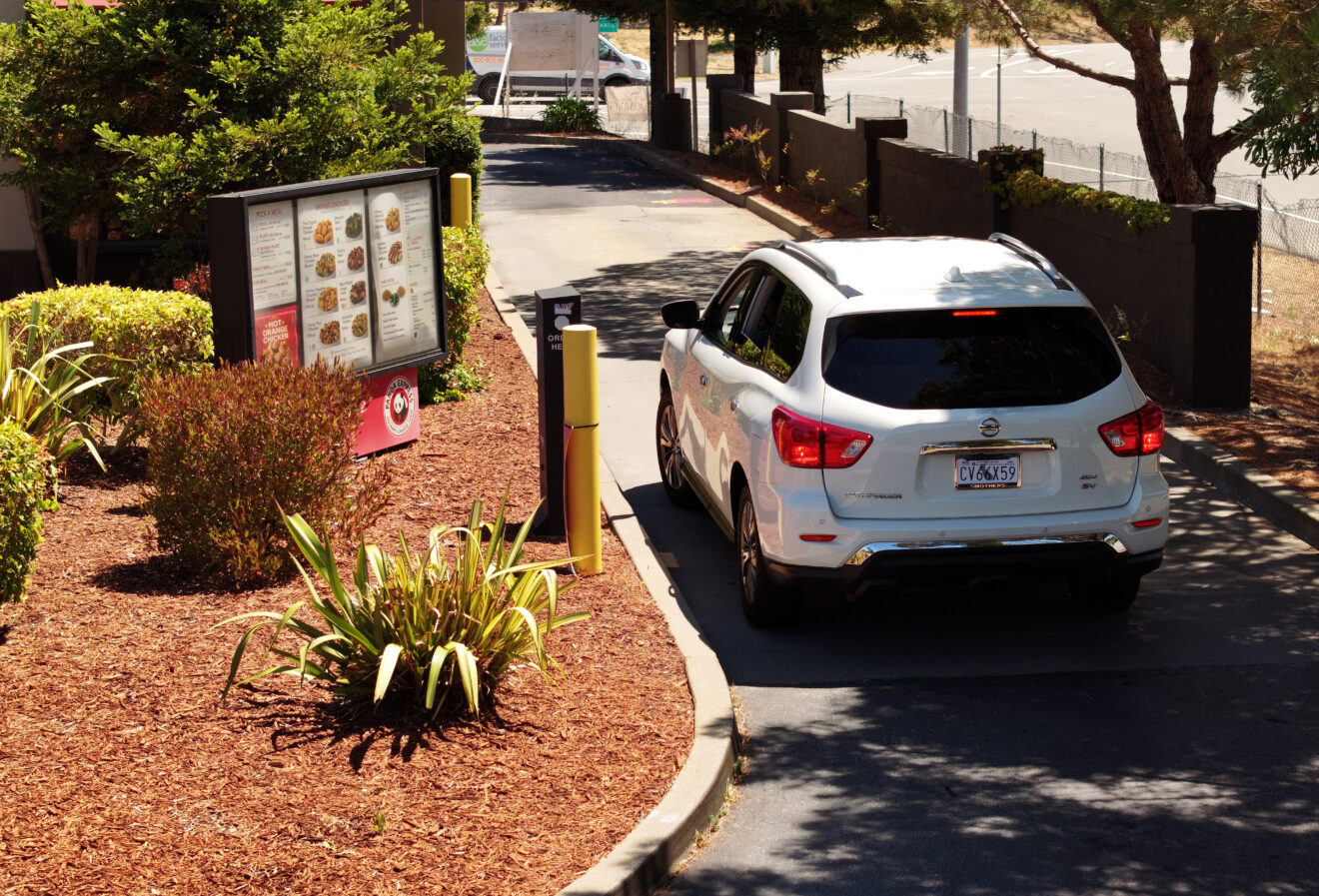
Two years ago, AI’s role in voice ordering at the drive-thru and on the phone was in its infancy and just starting to make a splash in the food world. Quickserves and fast-casual chains and their tech vendor partners were beginning to educate customers on the technology while at the same time continuing to improve its performance with plenty of human backup.
Flash forward to today, and voice AI has become one of the most widely adopted and rapidly evolving technologies in the restaurant industry, moving from experimental pilot to operational standard at thousands of locations across the country.
The shift reflects both improved technology and changed expectations. As the AI has gotten better – more accurate, more conversational and better at handling customizations and edge cases – customer resistance has largely faded. What’s emerging now is a second wave of development: voice AI that doesn’t just take orders, but personalizes them, drives revenue and connects seamlessly across every channel a guest might use.
A crowded and competitive field
Major players in restaurant voice AI, such as SoundHound, ConverseNow and Presto, have each been growing aggressively through acquisitions and strategic partnerships, racing to expand capabilities as demand accelerates.
ConverseNow recently partnered with Deliverect, integrating its voice ordering technology into Deliverect’s unified order management ecosystem.
“Together, we’re helping brands increase revenue, optimize labor, and adopt AI in a practical, scalable way,” said ConverseNow CEO Vinay Shukla in a release.
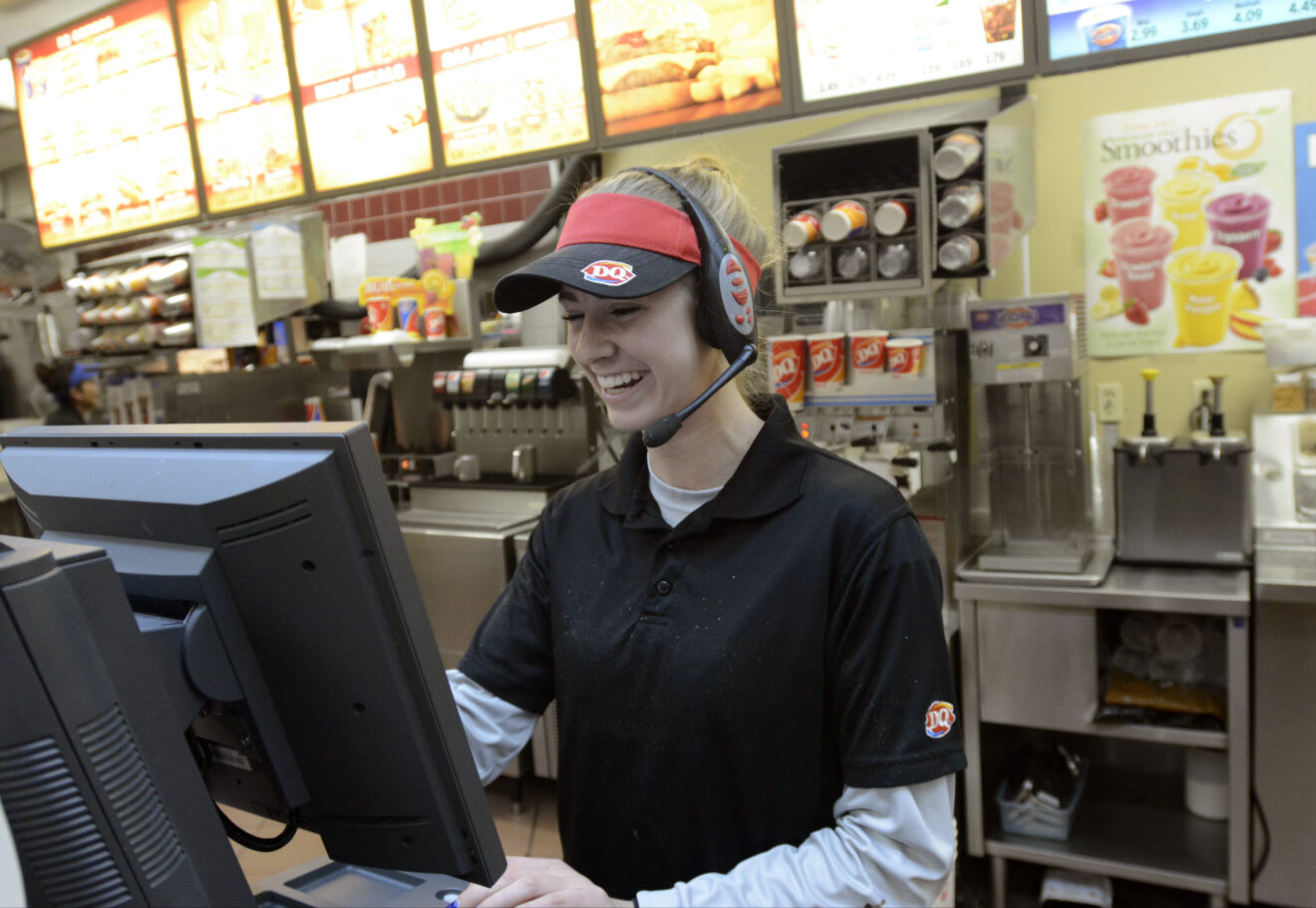
Also this year, Presto expanded its partnership with Dairy Queen to expand voice ordering to more DQ drive-thrus in the US and Canada.
Along with the wider acceptance and demand for AI voice technology comes greater competition and the need to keep innovating.
SoundHound has been on a roll since 2024, expanding its tech capabilities through at least four acquisitions and growing its presence from about 9,000 restaurants to more than 16,000 today, with big-name chains including White Castle and Jersey Mike’s. The company’s service has been deployed across several continents in a number of languages, and while it’s still primarily deployed for call-in and drive-thru orders, it’s also increasingly available on any consumer-facing device, including a brand’s app and kiosks.
“I think there are more players who ultimately are leaning in to use LLMs, and I would argue that has leveled the playing field to a degree,” said Ben Bellettini, the company’s senior vice president of sales for restaurants.
From order-taking to revenue generation
As the technology matures, operators are discovering that voice AI’s value extends well beyond labor efficiency. The same systems that handle ordering can analyze guest data in real time to serve up personalized upsell suggestions, targeted offers and dynamic pricing – deals designed to bring more customers in during slow dayparts.
“Voice truly is the new interface that consumers want to use to most conveniently interact with brands they love,” Bellettini said.
SoundHound is pushing that idea further. From its early days, SoundHound has worked on technology to support original equipment manufacturers, especially in auto and television manufacturing. Later, it added the restaurant ordering services, and new innovations coming out later this year will tie that all together. The company is working with those manufacturers on software updates that will allow voice ordering from their car or couch – connecting the drive-thru experience with the living room.
It’s a move that takes voice AI beyond being a point solution, and evolves it into an ambient layer that’s woven into wherever guests already are.
What operators should watch
Voice AI is no longer an emerging technology in restaurant operations – it’s an available one, with a growing track record and an expanding range of applications. For operators evaluating where to start, the drive-thru and phone ordering channels remain the most mature and lowest-friction entry points.
The more interesting strategic question is what comes next: how voice interfaces connect with loyalty programs, personalization engines and ordering platforms to create a more unified guest experience across every touchpoint. That integration work is already underway at the leading vendors, and the operators who get there first will have a meaningful advantage in both efficiency, guest retention and revenue growth.
Related stories:
- Q&A Exclusive: National Restaurant Association President and CEO Michelle Korsmo discusses what to expect at this year’s Restaurant Show
- Q&A: Resilience, customer experience and the new value proposition in the restaurant industry
- Culinary compass: Comfort, value and global flavors define 2026 restaurant trends
_______________________________________________________________
Beyond the order: How AI is coaching the drive-thru team
Voice AI’s most visible impact is on the customer side of the counter. But some operators are now exploring how similar technology can support the employees behind it.
While AI and automation are designed to drive efficiency and improve service without eliminating jobs, the broader goal is to help restaurants cope with chronic labor shortages and free up staff for higher-touch work – the moments that require warmth, judgment and genuine hospitality that no AI system replicates well. For operators navigating tight labor markets and persistent turnover, that reframing matters. Voice AI handling routine orders at the drive-thru or on the phone is one less constraint on a team that’s already stretched.
That thinking is also influencing how some operators are deploying AI on the employee side of the drive-thru window, not just the customer-facing one.
In February, Burger King began testing “Patty,” an AI chatbot powered by OpenAI that communicates with employees through their headsets. The system has rolled out across 500 Burger King units, monitoring customer interactions for service indicators – tracking language cues like “please” and “thank you” to help managers identify patterns in how guests are being treated. From the moment a customer arrives at the window, Patty tracks the interaction and provides managers and employees with real-time feedback on service quality. The bot is also designed to notify managers when menu items run out and give employees quick access to ingredient information. Burger King expects to roll out Patty nationwide as part of its broader BK Assistant platform.
It’s an early indication of where AI’s many roles in restaurant operations may be heading – not just automating transactions, but helping teams deliver more consistent, higher-quality hospitality at scale. For operators, the key question will be how to introduce these tools in a way that supports staff rather than surveils them, and builds trust rather than eroding it.
____________________________________
If you liked this article, sign up to receive one of these daily newsletters: CIA ProChef SmartBrief, ACF Chef’s Table SmartBrief or Restaurant SmartBrief. Check out the rest of our SmartBrief Food & Beverage newsletters and connect with us on our SmartBrief on Food & Beverage LinkedIn page.