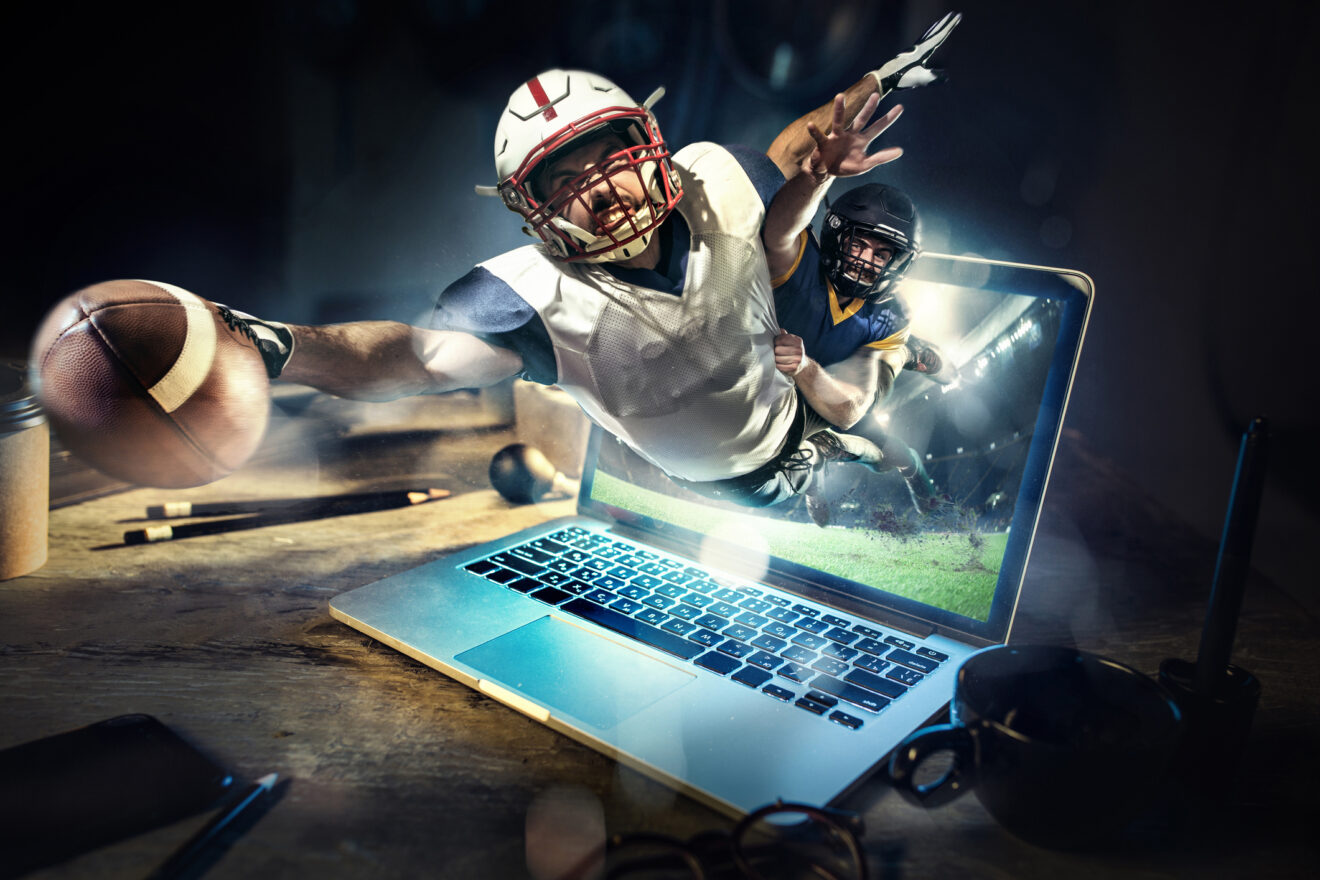
There is a curious truth about human desire: Anticipation can be more powerful than consumption. Foreplay can be more exciting than sex. Christmas Eve can feel more magical than Christmas morning. In action movies, preparation for battle often receives more screen time than the fight itself. We watch Arnold Schwarzenegger assemble the weapons. We watch John Wick select the suit, guns, and ammunition. The buildup is not filler. It is the beginning of the reward. It is a neurotransmitter game — the dopamine rush has begun.
The NFL understands this instinctively. Hype videos do not merely announce that football is returning. They let the brain begin experiencing football before the kickoff. Think of it as unboxing videos for football.
Unboxing videos are the rage on YouTube and Instagram, where the world gets what it seeks. From new iPhones to revolvers to even adult incontinence diapers, unboxing is the rage.
In an “unboxing video” for my book, “neuroAI,” I described this as the brain’s dopamine “peekaboo effect.” A child delights in peekaboo because the brain makes a prediction — the face will return — and then rewards itself when the prediction comes true. Unboxing works the same way. We know approximately what is inside, but tissue paper, packaging, and gradual revelation stretch the prediction-reward cycle. Apple and Chanel turn delay into desire.
What you can learn from NFL hype videos
NFL hype videos are emotional unboxing videos. The tunnel, helmet, stadium lights, crowd roar, familiar colors and glimpses of star players are layers of tissue paper. Fans know what is coming, yet each reveal confirms a cherished prediction: the season is back; my team is ready; perhaps this is our year.
As I argued in “The Buying Brain,” much of this response occurs outside conscious deliberation. The video activates memory, emotion and learned associations before the viewer forms a sentence about it. In “neuroAI,” desire can be understood through novelty, familiarity, trust, simplicity, belonging and self-actualization. The hype at the beginning of football season creates all of this. While a new roster creates novelty, seeing the uniform of your favorite team brings familiarity; the history offers trust; and, most powerfully, fandom equates to belonging. Fans love to say “we won,” even when they never touched the ball because the team has become part of the self.
Creative marketers see views and likes as only the first conversion. A video naturally leads to the next ritual: buying a jersey, securing tickets, joining a fantasy league, ordering food, subscribing to a streaming package, or engaging with a sponsor. Elements like sound, scarcity, countdowns, rivalry and the intimacy of behind-the-scenes action can deepen anticipation. In this way, commercials start to feel like the next step toward game day, not an interruption.
At Sensori.Ai, we measure the desire these factors create using algorithmic neuroscience. Advertising effectiveness is “yesterday’s news.” Desire and the urge to buy now are the currency of the new realm.
With algorithmic neuroscience, that bridge can become far more precise, and marketers can use data and algorithms to personalize creative experiences. Look at hype videos building up a fan’s favorite player, their hometown, a historic rivalry, an unforgettable victory or their preferred game-day ritual. The concept is simple: personalize the buildup, connect it to identity and make the next action effortless.
Although we’re nearly halfway through the NFL season, neurologically we have been building up to it long before the season started. The best marketers aren’t rushing to the battle; they’re selling preparation. It’s not about rushing for the reward; it’s about building an undeniable sense of wanting — the foundational desire.
Opinions expressed by SmartBrief contributors are their own.
____________________________________
If you liked this article, sign up for the SmartBrief Marketing Pulse, a daily look at the latest in shifts and performance data for marketers.