As East and Southeast Asian flavors become increasingly familiar to American diners, the next opportunity for chefs and operators lies in understanding the traditions, regional identities and cultural values behind them. From Japanese kaiseki and Korean royal cuisine to Vietnamese barbecue and Singapore’s hawker culture, these foodways offer a wealth of inspiration for an industry looking to create distinctive dining experiences while navigating changing consumer expectations and operational challenges.
Ahead of this year’s Worlds of Flavor conference next week at The Culinary Institute of America at Copia in Napa, Calif., Jennifer Breckner, director of programs and special projects at the CIA’s Center for Food & Beverage Leadership Group, shared with us some details about the thinking behind this year’s focus on East and Southeast Asia. From the importance of representing both everyday food traditions and fine dining to the role of hospitality, biodiversity and cultural exchange in culinary innovation, Breckner shares what attendees can learn from these diverse cuisines — and how a deeper understanding of global foodways can translate into more thoughtful, creative menus.
Why focus on East and Southeast Asia now? What makes the culinary traditions of Japan, Korea, Vietnam, Thailand and Singapore especially relevant to chefs and foodservice operators at this moment?
These cuisines are no longer emerging trends in the US; they are shaping the way people want to eat. What excites me is the opportunity to move beyond individual dishes and ingredients and explore the deeper stories of culture, heritage, hospitality, seasonality, and flavor systems that make these food traditions so influential. It’s also an opportunity to move beyond broad labels like “Japanese” or “Asian” cuisine and understand the regional differences, local traditions, and cultural contexts that shape how people cook and eat. The more deeply we understand those distinctions, the more meaningful and authentic our engagement with these cuisines becomes.
As flavors and techniques from this region become increasingly familiar to American diners, what do you think chefs and operators need to understand to move beyond simply borrowing ingredients or dishes and really engage with the traditions behind them?
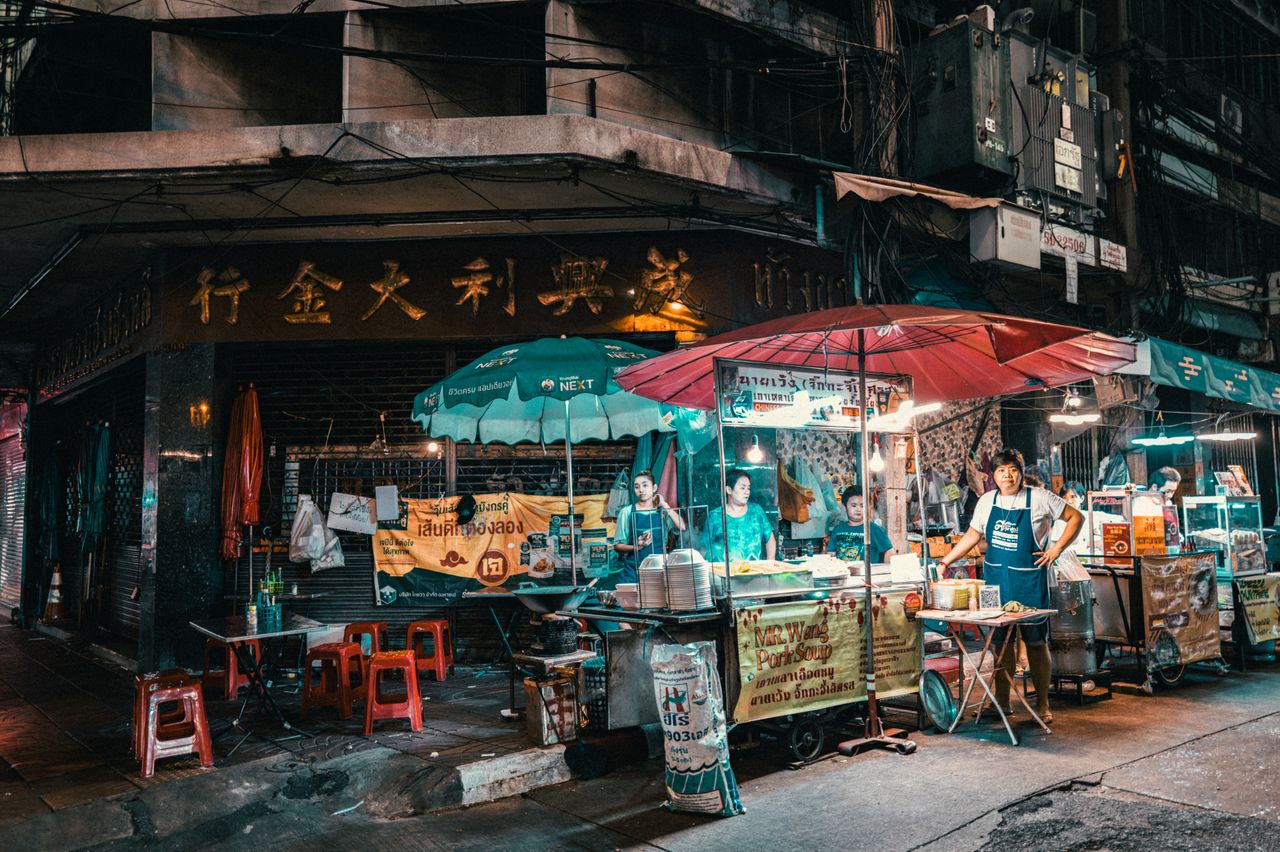
Curiosity and enthusiasm are where it starts, but respect comes from taking the time to learn the history, values, and people behind a cuisine. Worlds of Flavor encourages attendees to think about context, not just ingredients, and to build genuine connections to the cultures that inspire them. It’s equally important to recognize that there is no single “Japanese,” “Thai,” or “Vietnamese” cuisine. Regional ingredients, traditions, and ways of life shape how people cook and eat, and understanding those nuances leads to a deeper appreciation of the food.
How do you decide which regions, cuisines, chefs and culinary stories deserve a place on the Worlds of Flavor stage? What were you particularly looking for when you built this year’s program?
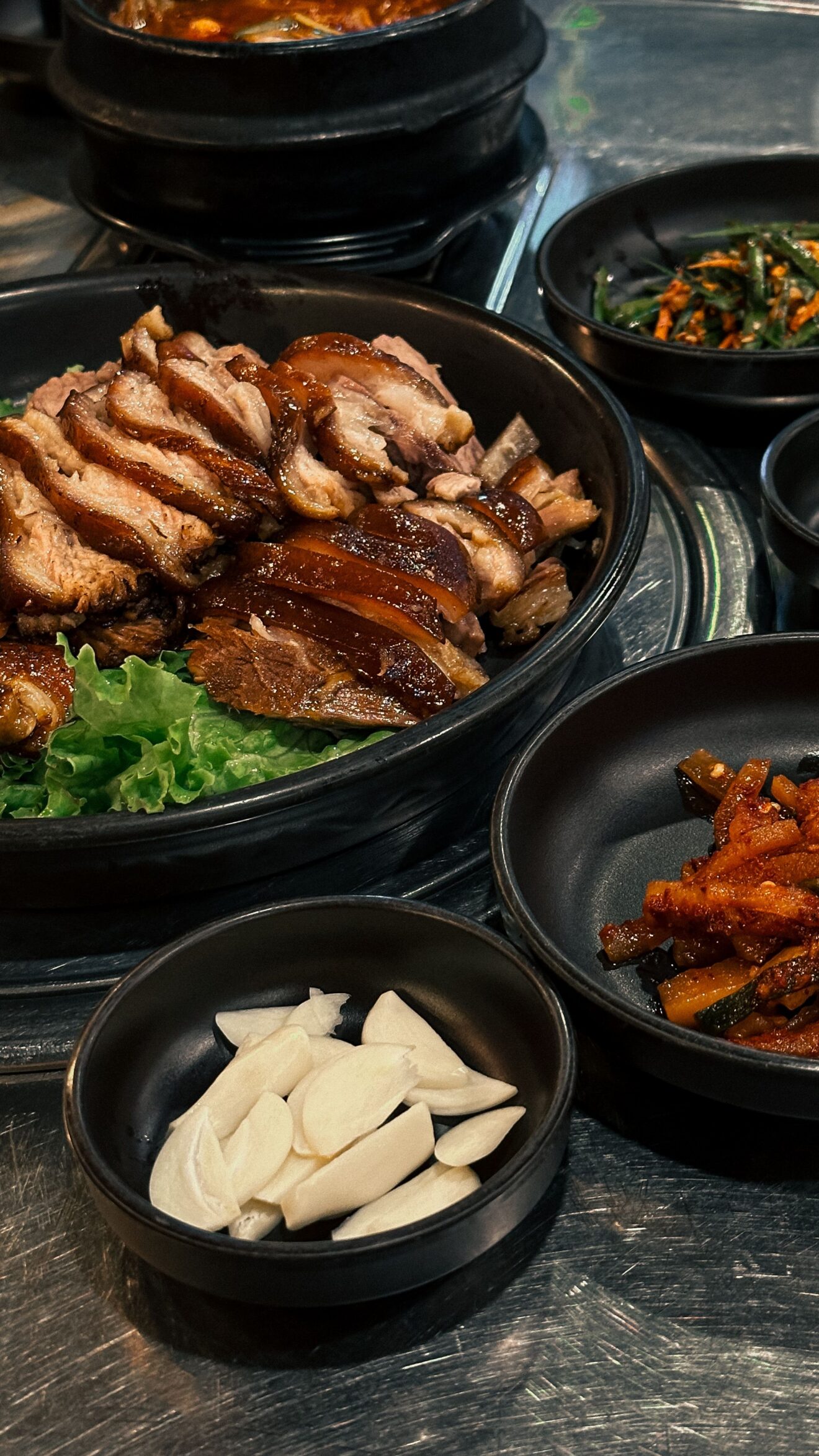
We start with a theme and then find the chefs, educators, and storytellers who can bring it to life. It’s important to balance deeply rooted tradition with new perspectives, whether that’s Yoshinori Horii, the ninth-generation proprietor of a soba house founded in 1789, or Don Nguyen, whose Viet-Tex barbecue reflects how cuisines evolve through migration and creativity. We also draw on the CIA’s exceptional alumni network and educational leadership, including our new Korean Cuisine and Culture course, the first dedicated Korean cuisine program offered by a major culinary school outside Korea, alongside our long-standing Japanese concentration. Ultimately, I’m looking for presenters who spark curiosity and help us better understand the history, culture, ingredients, and ideas behind the food.
The program spans everything from Japanese kaiseki and Korean royal cuisine to temple cooking, street food, hawker culture and contemporary fine dining. Were there particular perspectives or culinary traditions you felt were especially important to include this year?
Absolutely. I want attendees to experience both the everyday and the extraordinary. Street food, breakfast traditions, temple cuisine, hospitality, and family foodways often tell us as much about a culture as its most celebrated fine-dining restaurants. Worlds of Flavor is unique because attendees learn from people like Ian Kittichai, an award-winning chef, restaurateur, author, and television personality with restaurants around the world, and Monica Lee, founder of the beloved Los Angeles restaurant Beverly Soon Tofu, known for its soft tofu stew (soondubu jjigae) and home-style Korean cooking. Now nearing eighty and joined by her daughters, CJ and JJ, Monica will share her story and the recipe behind the eighteen-hour beef broth that made her restaurant a culinary landmark.
What are you seeing more broadly in the foodservice industry right now that influenced the way you shaped this year’s program? What are chefs and operators grappling with, and where do you see opportunities for culinary innovation?
Operators are looking for ways to create memorable dining experiences while navigating labor, cost, and sourcing challenges. I see tremendous opportunity in learning from global cuisines, especially as younger generations seek more diverse flavors and as our industry embraces greater biodiversity and ingredient diversity. It’s both educational and inspiring to see how global flavors and techniques can be translated across different dining formats, including high-volume production, creating new possibilities for menus, operations, and guest experiences. We will have sessions that address this, both from a K-12 and college and university perspective and a chain restaurant/airport f&B one.
What are you personally most excited about at this year’s Worlds of Flavor? Is there a chef, session, cuisine or conversation you think attendees will find particularly compelling?
I’m especially excited about Haera Shin’s upcoming book, Korean Cocktails: From Traditional Spirits to Modern Drinks, and her session at Worlds of Flavor focused on Korean beverage culture through tastings of both alcoholic and nonalcoholic drinks. As the former beverage director of Momofuku, she offers a fascinating perspective on the intersection of tradition, hospitality, and modern beverage culture.

I’m also very excited for guests to experience Omotenashi: The Culture of Hospitality, a session on the Japanese philosophy of hospitality with Junko Sakaguchi, owner of Kyoto’s Kyoyomato and Mitsuo Nakajima, her executive chef, which will provide a rare glimpse into the artistry and intention behind kaiseki cuisine. Junko was awarded a 2025 MICHELIN Service Award for her exceptional hospitality, so this will be a session not to be missed!
I’m also pleased to incorporate live music into the schedule for the first time with a gayageum solo by Bay Area composer and performer Hwayoung Shon, adding another dimension of cultural storytelling through the sounds of Korea. And another first at Worlds of Flavor, will be highlighting the expertise and perspective of the CIA’s Singaporean faculty.
What do you hope attendees take away after three days at Worlds of Flavor?
I hope attendees leave inspired to keep exploring the world’s cultures through food and bring those insights back to their own menus. Worlds of Flavor sparks connections that often last well beyond the conference, leading to collaborations, consulting opportunities, and new ideas, techniques, and ingredients that find their way into American menus. Food has a unique ability to connect people, cultures, and perspectives. If someone leaves with a deeper understanding of another culture, a new relationship, a new story, or a new way of thinking, we’ve succeeded.
And last but not least, for attendees looking for recommended spots, what are your favorite places to eat in Napa right now? Is there anything you’d particularly recommend they seek out while they’re here?
I’d recommend starting with our Worlds of Flavor pop-up dinner at The Grove (500 First Street at CIA at Copia), inspired by Top Chef alum Nini Nguyen’s Dac Biệt: An Extra Special Vietnamese Cookbook. Nini will be onsite to kick off the event on Thursday, November 5, and then the menu will continue through the weekend. It’s open to the public, as well as Worlds of Flavor attendees.
Hog Island Oyster Co., just a few minutes from the CIA at Copia at Oxbow is my go-to for oysters and a quintessential California food experience, while Angèle is where I head for rustic French fare and a Dirty Laundry, their olive oil-washed martini that I think of often. I’d also recommend The Slanted Door to experience the legacy of Charles Phan, who helped bring Vietnamese cuisine into the American mainstream. Since his passing in January 2025, it feels like an especially meaningful time to celebrate his lasting impact on California’s culinary culture.
Related stories:
- What AI can’t taste: How the CIA is training the next generation of chefs
- Q&A: Why chefs are central to the future of food and health
- Worlds of Flavor 2025: Chefs redefine tradition through innovation
____________________________________
If you liked this article, sign up to receive one of these daily newsletters: CIA ProChef SmartBrief, ACF Chef’s Table SmartBrief or Restaurant SmartBrief. Check out the rest of our SmartBrief Food & Beverage newsletters and connect with us on our SmartBrief on Food & Beverage LinkedIn page.