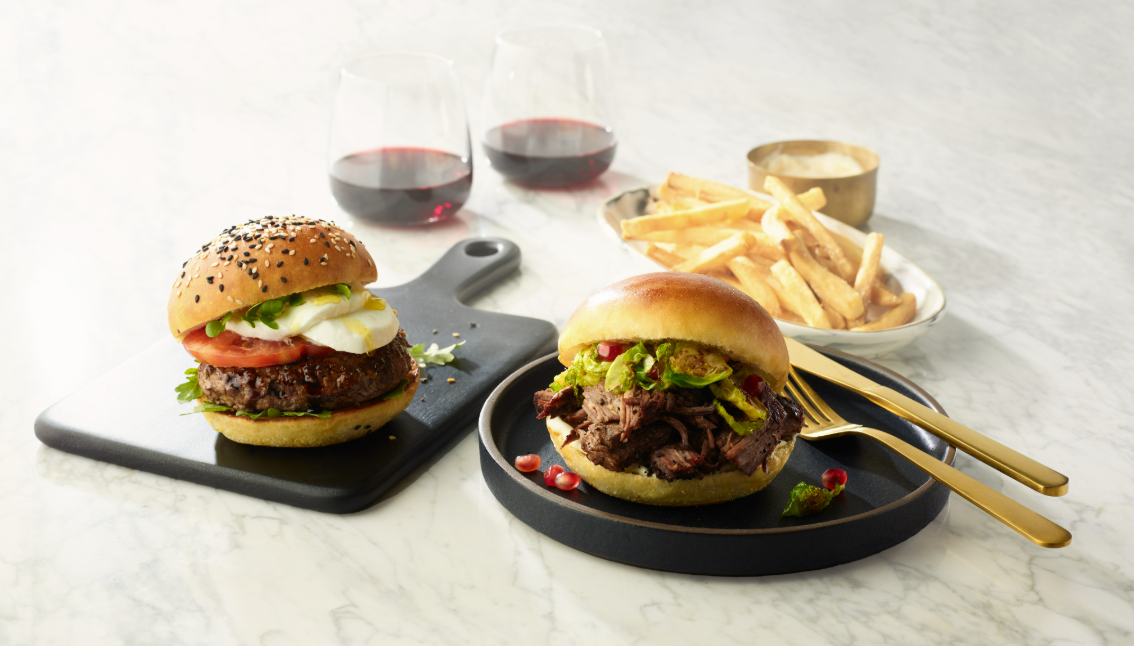
Protein has dominated foodservice menus in recent years, driven by shifting consumer health priorities and the rise of high-protein eating patterns. At the same time, operators are navigating a more value-conscious guest, where perceived worth matters as much as price.
According to a survey conducted by the International Food Information Council, 70% of consumers said they planned to increase their protein consumption in 2025. But value remains a defining factor in dining decisions, with the National Restaurant Association reporting that 80% of consumers consider promotions or discounts when choosing where to eat. The silver lining for operators? More than 60% of consumers consider dining out an essential part of their lifestyle, and consumers’ definition of value doesn’t always relate to price.
For operators, this creates a balancing act: delivering protein-forward menu innovation while maintaining margin and perceived value. The opportunity, however, may not sit with the protein at all, but with what holds it together.
The bun as a value signal
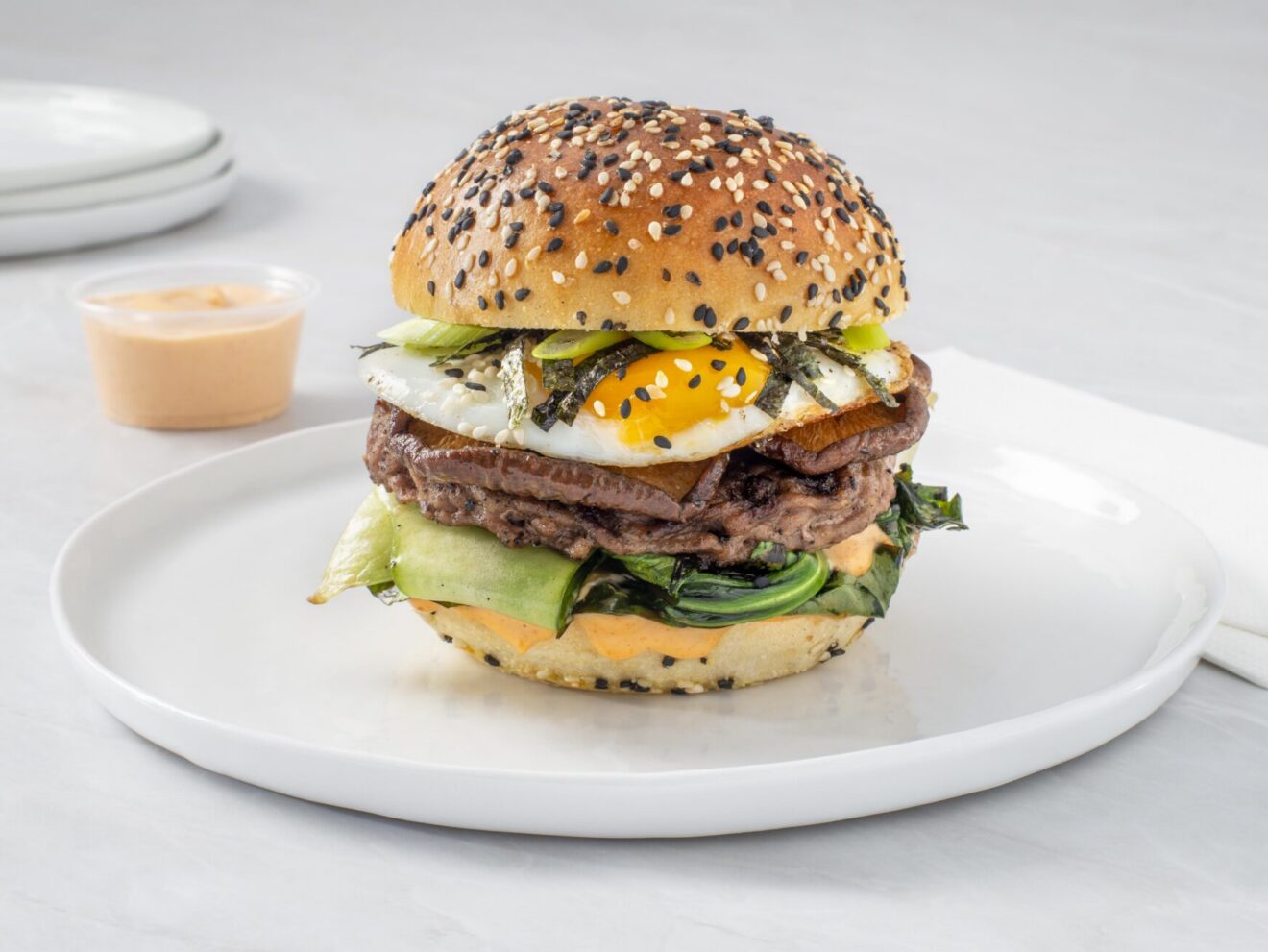
“What’s interesting is that in a value-focused environment, guests aren’t just looking for the lowest price. They’re looking for something that feels worth it,” says Mohika Sehgal, director of marketing, foodservice, for FGF Brands™.
As a result, consumers have become more intentional about how they spend when dining out, Sehgal explains.
“If they’re paying for a burger, they want it to feel like something they couldn’t replicate at home. That bar has gone up,” she says. “They’re not just looking at portion size anymore. They’re evaluating the full experience: texture, ingredients, how it holds together and how it looks when it hits the table or arrives in a delivery bag. That’s where the quality of the bun matters more than people give it credit for.”
While often treated as a commodity ingredient, the bun plays a critical role in both perception and performance. It shapes the first visual impression of a burger and determines structure, stability and eating experience — especially for off-premises occasions.
“Nobody wants a bun that gives out halfway through,” Sehgal adds. “When operators make the shift to an artisan bun, something with a high golden crown, a soft bite and a clean flavor profile, it doesn’t just improve the product. It unlocks flexibility. You can hold your price point and improve margins by optimizing other components, or you can lean into that premium perception and justify charging a little more.”
Building better burgers
Beyond structure, buns also influence flavor and overall build quality.
“From a flavor standpoint, it’s clean and balanced. It supports the build instead of overpowering it,” says Alison Jarvest, corporate culinary chef for FGF Brands™.
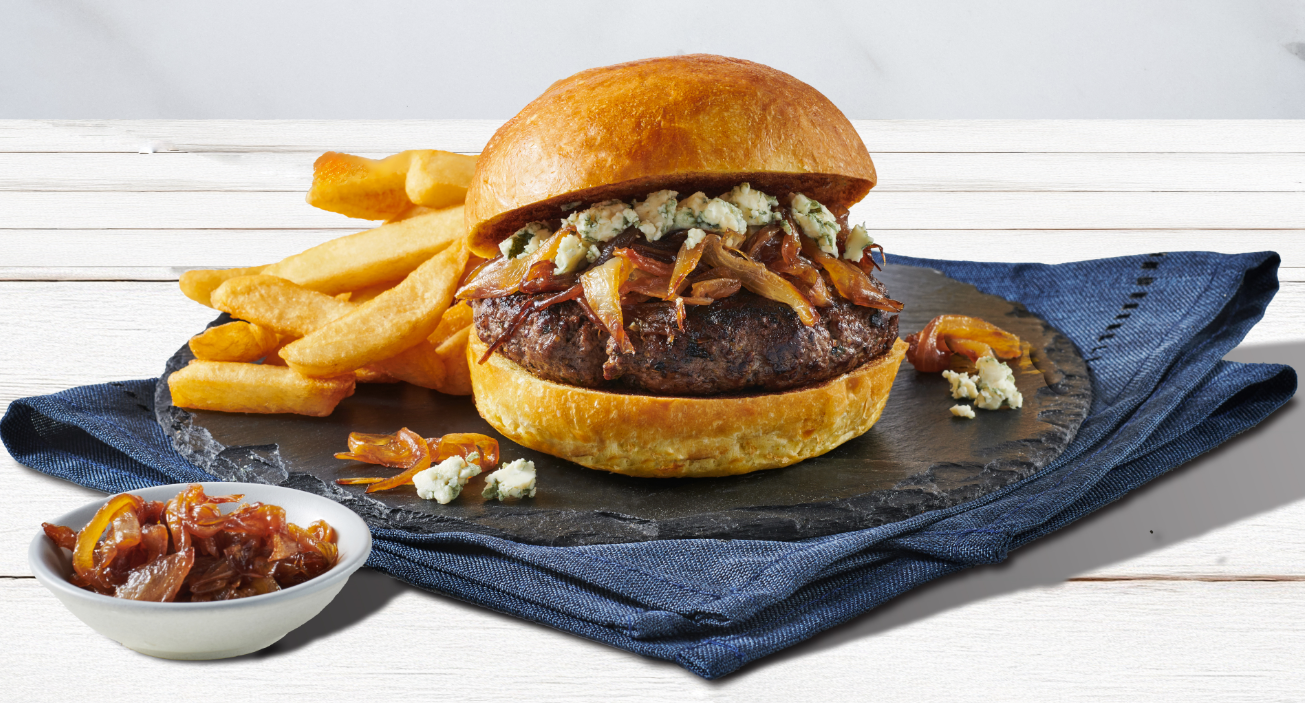
“And depending on the bun, you can bring in different cues. A brioche gives you richness from real butter and eggs. A potato bun adds a light sweetness and a pillowy bite. The black and white sesame bun adds texture, a visual contrast and an elevated finish.”
Consumer research reinforces the impact, as 6 in 10 diners say bun quality is very important when choosing a burger, according to Datassential. Additionally, a higher-quality bun improves perceived taste and signals overall restaurant quality, according to a January 2026 Mindsight study conducted by FGF Proprietary Research.
“What stood out to us in the research is how strongly the bun influences perception, not just of the burger, but of the operator as a whole,” Sehgal says. “It’s not just about the bun in isolation. It becomes a signal. When guests see an artisan bun, they start to assume the same level of quality carries through the rest of the menu and the brand experience. And that’s where it really becomes strategic. It’s helping elevate brand perception without requiring a full menu overhaul.”
Margin impact through menu design
That perception directly affects willingness to pay. In FGF Brands™ research, consumers assigned higher value to a burger with a smaller 6-oz. patty on an artisan bun than a larger 8-oz. patty on a standard bun – and were willing to payover a $1 more for it. When paired with the larger patty, willingness to pay increased further, to over $1.25.

“What it tells us is that an ACE Bakery® artisan bun isn’t just complementing the burger, it’s actively driving perceived value,” Jarvest says. “And for operators, that creates real flexibility. You can either rethink how you balance the build to protect margins or lean into the premium positioning and adjust your price point. Either way, the bun is doing more work than most people expect, and it’s giving operators a real opportunity to margin up. It stops being just a cost line and starts becoming a lever, a relatively small change that can influence both perceived value and profitability in a meaningful way.”
That means operators can rethink portion strategy without sacrificing guest satisfaction.
“Maybe it’s a slightly smaller portion, paired with a brioche bun that adds richness, or a black-and-white sesame bun that adds visual impact and texture,” she says. “The guest still feels like they’re getting something premium. The burger still eats well, holds together and feels satisfying. From a kitchen perspective, that gives you more control. You can manage food costs without it feeling like a compromise, because the overall experience is still elevated.”
A simple operational upgrade
From an execution standpoint, upgrading buns is a low-friction change.
“The buns are thaw-and-serve. So you’re not adding prep steps, you’re not training staff on dough handling and you’re not dealing with variability from batch to batch,” she explains.
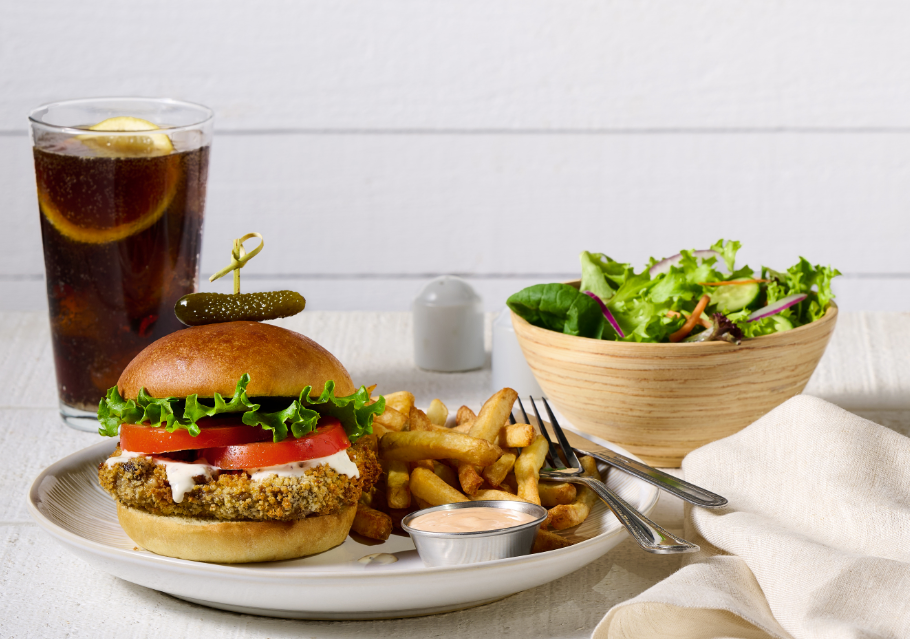
“It doesn’t mean adding complexity; it just means being intentional. As a chef, you can match the bun to the concept without complicating your operation. You’re essentially building a more premium menu just by making a smarter choice on the carrier.”
Jarvest recommends starting with a direct swap, replacing the traditional bun on a core burger menu item with a 4- or 4.5-inch ACE Bakery® Classic bun, before expanding into premium builds like brioche or sesame buns.
“It’s a low-risk change, and you’ll immediately see the difference in presentation and performance,” she says. “Overall, it’s a very approachable shift – you’re not reinventing your kitchen, you’re upgrading the foundation.”
Related stories:
- Q&A: Why chefs are central to the future of food and health
- How AI is generating new recipes for ongoing kitchen innovation
- Q&A: Resilience, customer experience and the new value proposition in the restaurant industry
_____________________________________
If you liked this article, sign up to receive one of these daily newsletters: CIA ProChef SmartBrief, ACF Chef’s Table SmartBrief or Restaurant SmartBrief. Check out the rest of our SmartBrief Food & Beverage newsletters and connect with us on our SmartBrief on Food & Beverage LinkedIn page.