
For foodservice operators, spring and summer aren’t just seasonal shifts — they’re strategic sourcing windows. For more than 50 years, California avocados — which have a peak season from spring through summer — have long held a prominent place on regional menus. But how does peak season translate into operational advantage, pricing strategy and guest loyalty?
We talked to Zac Benedict, marketing director of the California Avocado Commission, and Kayla Dillon, CMO of Erik’s DeliCafe, a 29-store franchise in Northern California, about why foodservice operators are doubling down on local sourcing during this peak season, and how Erik’s DeliCafe has built its identity around California avocados since opening its first location in 1973.
Peak season as a strategic window

Understanding harvest timing is foundational to menu planning, and seasonality often ties directly to eating quality and brand identity.
When is the peak season for California avocados, and why should foodservice operators prioritize them during this window?
Benedict: Spring through summer is the best time for California avocados, and this year we are projecting April-August in particular as our heaviest harvest period. For operators, this means locally grown fruit at peak quality and freshness, and widest availability in produce supply chains.
Generally speaking, the less time and miles an avocado spends in transit, the better. They can be picked at peak maturity and oil content and go from grove to a restaurant kitchen in a matter of days. For sustainability-minded guests, they can see their values on the menu in an operator’s local ingredient choices.
When did you first start using California Avocados in your foodservice operation and why?
Dillon: From the beginning! The first location opened in a former bakery space in 1973 in Scott’s Valley, Calif. Back then, there were no imports, only local avocados. With a premium, local product like California avocados, we get superior taste and texture and shorter travel time for a fresher product with better shelf life. When they’re in season, that’s what we want.
Pricing and consumer willingness to pay

With strong regional demand, pricing strategy becomes part of the conversation.
Research shows consumers in the West are willing to pay more for California avocados. How can operators use this to offset higher product costs?
Benedict: These consumers have shown us that local, fresh and ethically sourced avocados are worth it. Operators can feel comfortable asking for a little bit more for a California avocado as an add-on or upcharge and can build in the cost to menu pricing to protect margins.
At Erik’s DeliCafe, the approach reflects long-standing brand positioning.
How do you think they make a difference on your menu/with your diners?
Dillon: The Erik’s guest is very passionate about the brand and the food – they don’t want to see us change anything! Having something local is important to the guests and to us.
Menu penetration and innovation
Avocados already have a strong menu presence in the West — but there is still room to grow.
With avocado menu penetration in Western states being double the national average, how can operators capitalize on this high demand?
Benedict: Guests in the West expect to see avocados on the menu. Incorporating them into multiple items – especially during the California season – helps with velocity and inventory management. Data also shows consumers in the West want to see avocados in more creative ways; there’s room to innovate and differentiate with this highly popular fruit!
Can you share examples of the most popular dishes with avocados on your menu, especially during the spring/summer season?
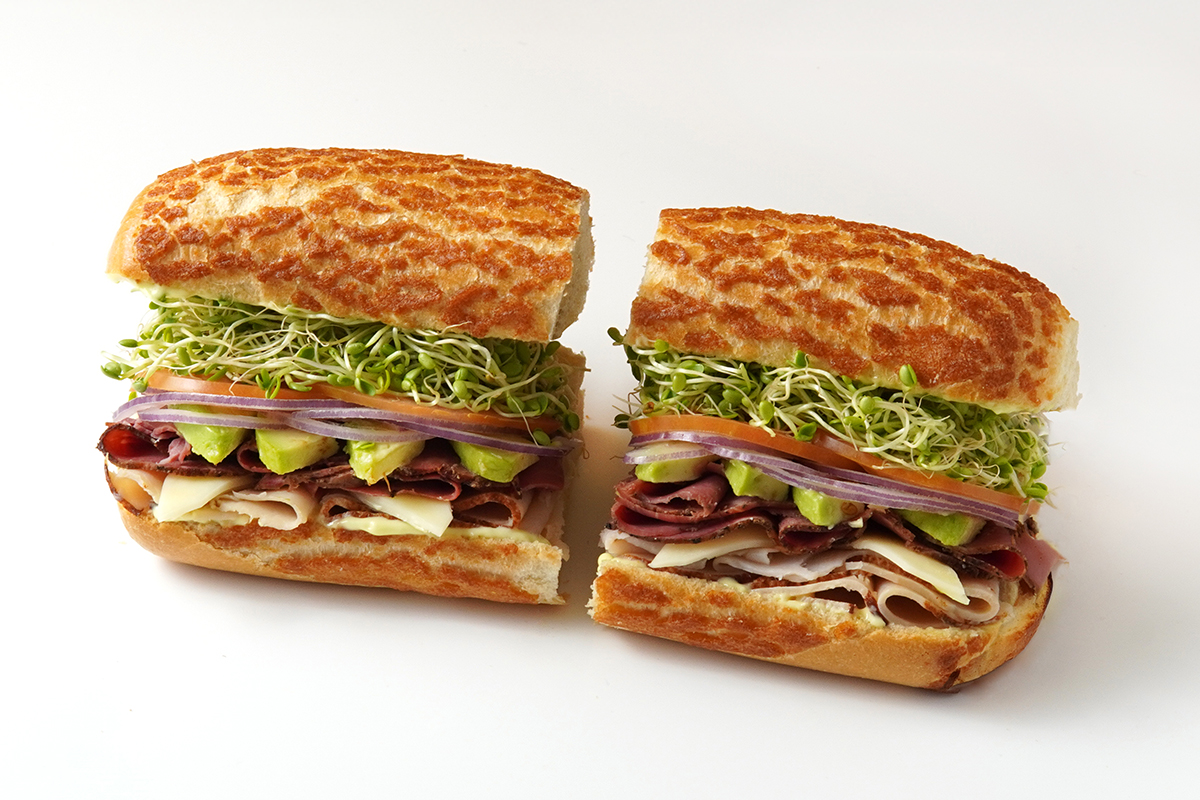
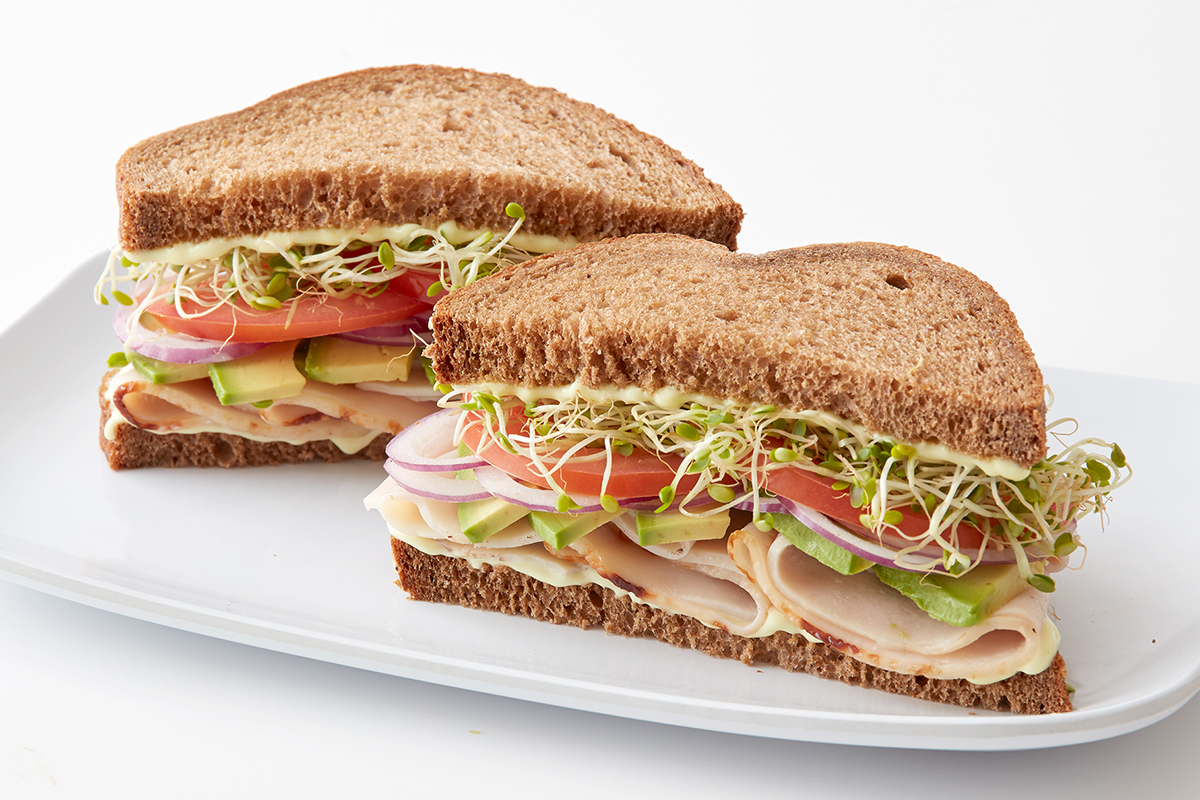
Dillon: Avocados are literally all over the menu, but our Pilgrims Progress sandwich is No. 1 in sales and has been forever. It’s a simple, great turkey sandwich with clover sprouts, fresh avocado, tomatoes, onions and our Secret Goo. The California Crunch is another; it gets its “California” name from the avocado, Monterey Jack cheese and Dutch crunch bread.
Partnerships and brand alignment
Seasonal sourcing can also support brand storytelling and promotional initiatives.
What specific types of promotional support does the California Avocado Commission provide to foodservice partners?
Benedict: For multi-unit operators who source California avocados during our season, we offer promotional partnership funding, storytelling assets and merch for giveaways and incentives. Our best partners are committed to seasonal, local sourcing and are eager to tell stories of where their products come from. There’s a lot we can do together! We’re also always looking for independent operators using California avocados in compelling ways; we love to draw attention to them through PR and social media.
What do you like about the partnership with California avocados?
Dillon: The pillars of our brand are quality, consistency, service, and integrity. Celebrating a local, seasonal ingredient like California avocados reinforces those values and gives us an impactful story to tell.
Related stories:
- Q&A: Resilience, customer experience and the new value proposition in the restaurant industry
- How AI is generating new recipes for ongoing kitchen innovation
- What’s in store for plant-based foods this year?
_____________________________________
If you liked this article, sign up to receive one of these daily newsletters: CIA ProChef SmartBrief, ACF Chef’s Table SmartBrief or Restaurant SmartBrief. Check out the rest of our SmartBrief Food & Beverage newsletters and connect with us on our SmartBrief on Food & Beverage LinkedIn page.