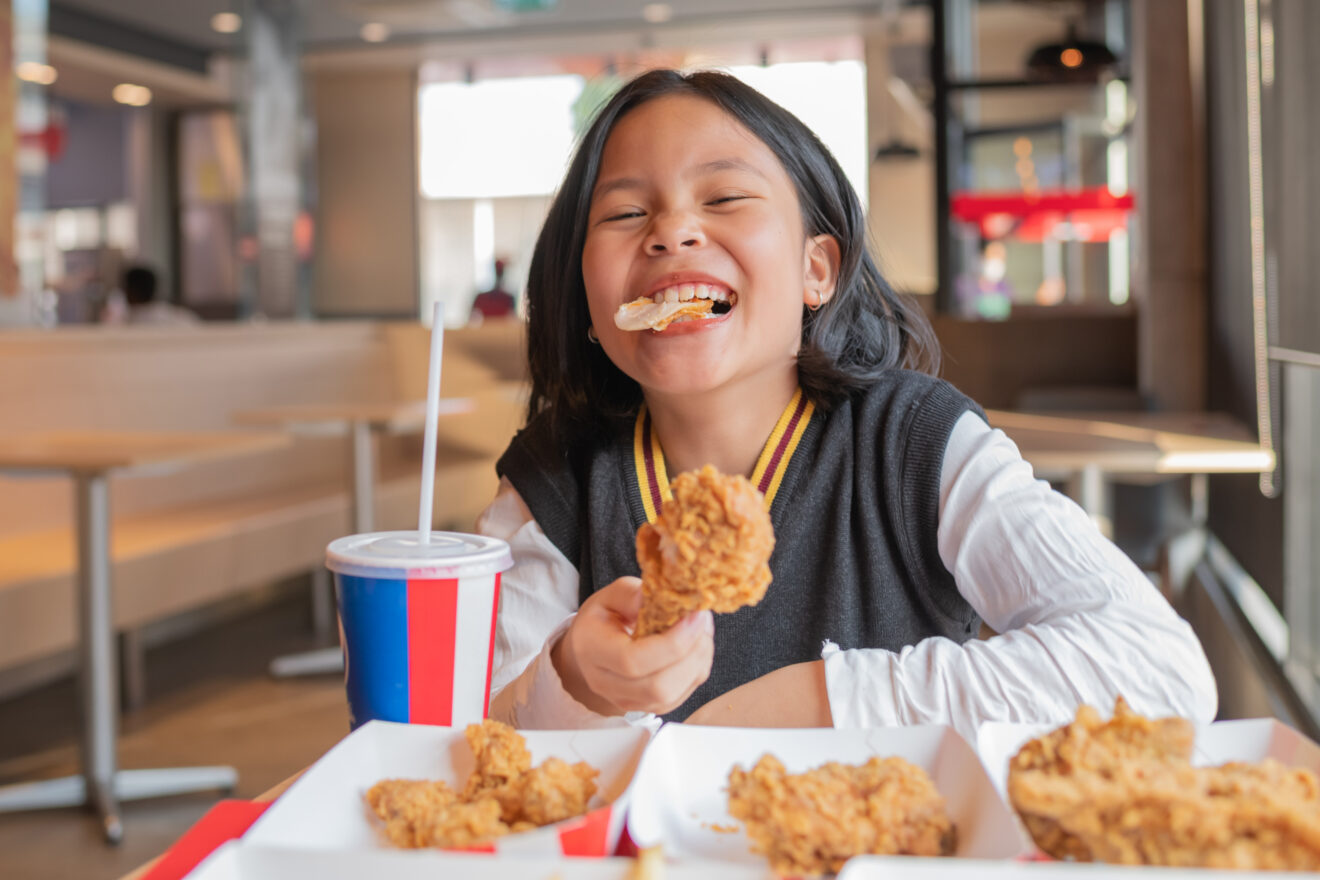
From family dinner debates to quick-service drive-throughs, a new generation is quietly calling the shots. Generation Alpha — born between 2011 and 2024 — may be young, but their influence on where and what families eat is growing fast. And if you’re in foodservice, their habits are worth understanding now.
Datassential‘s January 2026 study, a survey of 754 parents across three age groups (ages 3-6, 7-12, and 13-5), offers a detailed look at how this generation is developing food preferences, influencing purchase decisions and building brand loyalties that may last a lifetime.
Curious eaters — with strong opinions
Gen Alpha defies easy categorization. On one hand, nearly three-quarters of parents say their children enjoy trying new foods and flavors, and over 80% say their children’s food tastes expand as they get older. A vast majority agree that their children show genuine interest in global flavors spanning Mexican, Italian, Chinese and beyond. On the other hand, nearly half of parents also describe their kids as picky eaters with strong opinions about what they will and won’t try.
This isn’t so much a contradiction as it is the reality of feeding growing palates, especially those raised by Millennial parents, a generation known for being adventurous with food. Gen Alpha reflects that influence. They are curious and open to new flavors, but as children, they also want foods they recognize and enjoy. For parents, the challenge is finding the right balance between exploration and comfort, between nutritious choices and indulgence. For foodservice operators, the takeaway is clear: variety and customization aren’t optional — they’re table stakes.
Age differences matter here, too. Younger Gen Alphas (ages 3-6) are more likely to be described as selective, while older kids (13-15) are more open to new experiences. Menu flexibility that allows kids to experiment within familiar formats is the sweet spot.
They’re not just eating — they’re engaged
Gen Alpha’s relationship with food extends well beyond the plate. Many kids actively enjoy watching cooking content, learning where ingredients come from, and getting involved in meal prep at home. Nearly 70% of parents cook the majority of meals from scratch, while about a third rely on an equal mix of scratch-cooking and prepared foods.
This hands-on curiosity translates to the restaurant experience. Interactive menus visible kitchens, and customizable build-your-own formats resonate with a generation that wants to feel engaged, not just fed. For operators, this signals real opportunity in experiential dining that combines entertainment with eating.
Millennial parents set the nutritional tone
The adults ordering for Gen Alpha matter as much as the kids themselves. Millennial parents take a pragmatic, addition-focused approach to nutrition, prioritizing fruits, vegetables, whole grains and protein rather than cutting out “bad” foods entirely. Nearly three-quarters try to buy inherently healthy foods, but almost as many admit they regularly choose options their kids will actually eat, even if they aren’t the most nutritious choice.
That balancing act — health ideals versus real-world kid preferences — shapes what ends up on the table and on the menu. Restaurants that make healthy options feel approachable rather than restrictive, and that offer clear, transparent ingredient information, are best positioned to win over this parent demographic.
Kids are driving the cart — literally
Gen Alpha’s influence over household food decisions starts early. About 74% of parents involve their kids in grocery shopping, from managing lists to selecting items on their own. For many parents, the mundane grocery trip is also a teaching opportunity: 75% say they explain unfamiliar foods to their children when grocery shopping, while 65% have taken their kids to farms or farmer’s markets to help them gain a solid understanding of where food comes from.
At restaurants, this influence is equally pronounced. Gen Alpha children already exert real pull over where their families dine, which dishes get ordered, and which brands get repeated visits. Most parents report their kids have already cultivated strong, established preferences for specific restaurant chains and food brands — preferences that are likely to stick.
For brands, the implication is straightforward: loyalty built with this generation in childhood has staying power. Early impressions matter.
What drives purchase decisions
When Gen Alpha families make food decisions, practical factors consistently outrank price or even healthfulness. The top considerations, according to Datassential’s research:
- School and activity compatibility: 80% look for foods that travel well and fit busy schedules
- Preferred brands: 77% prioritize brands they know and trust
- Independence-friendly options: 73% seek items kids can prepare or eat on their own
- Kid-sized portions: 71% of parents flag this as important
The message for operators: convenience, flexibility, and brand reputation matter to more parents than even clean nutrition panels or low prices. All can coexist, but know which battle you’re trying to win.
QSR dominates the weekly routine
Foodservice plays a central role in Gen Alpha family life. Most Gen Alpha kids eat restaurant food at least once a week, with quick-service restaurants leading the pack — more than half of parents (53%) visit these concepts one to several times weekly. Grocery deli and prepared food counters follow closely, with 49% of parents stopping in at least once a week.
Fast-casual rounds out the picture at 42% weekly visitation, while convenience stores with prepared food (41%) and casual or midscale restaurants (36%) also see regular Gen Alpha family traffic.
For operators in the QSR and fast-casual space especially, Gen Alpha is already a core part of your customer base — they’re just arriving with a parent in tow. For now.
Digital ordering starts young
Gen Alpha is the first generation to grow up with food delivery apps as a household norm. Older members of the cohort are already navigating digital menus, requesting specific items through apps, and influencing which restaurants get selected for delivery. This comfort with digital food ordering will only deepen as they age. In fact, nearly a quarter of Gen Alphas ages 13-15 can use food delivery entirely without parental supervision.
For restaurants, that means the investment in a seamless, intuitive digital ordering experience isn’t just about today’s adult users — it’s about building familiarity with the consumers who will dominate spending over the next several decades.
What it means for foodservice
Gen Alpha isn’t a future consumer — they’re already shaping family dining decisions today. Speed, variety, diverse flavors, and digital integration function as table stakes for this cohort, not points of differentiation. Brands that engage them authentically now, through unique flavors, craveable items, customizable experiences and kid-friendly digital touchpoints, will be best positioned as this generation’s purchasing power grows.
Think of Gen Alpha’s current restaurant habits as their first impression of your brand. Make it count.
Action Points for Foodservice Operators
- Lean into flavor exploration. Gen Alpha is already curious and open to global flavors. Offer bold, craveable items that introduce new tastes in familiar, kid-friendly formats to captivate their palates.
- Offer customization. Build-your-own formats and flexible options satisfy both curious and selective Gen Alpha eaters.
- Invest in digital. Optimize apps and digital menus for younger, independently-ordering users — it’s already happening.
- Lead with transparency. Clean-label language and clear sourcing information win over the millennial parents making the final call.
- Leverage beverages and snacks. These are the highest-frequency, most portable categories for Gen Alpha and critical moments of brand trial and loyalty.
- Design for experiences. Interactive, gamified, or hands-on dining elements resonate with a generation that engages with food, not just eats it.
- Know your regulars. QSR and fast-casual already own Gen Alpha’s weekly habits. Reinforce that loyalty with consistency and value.
Bottom line: Gen Alpha is curious, connected and already brand-loyal. The operators who take them seriously today are investing in their most loyal customers of tomorrow.
Related stories:
- Q&A: Resilience, customer experience and the new value proposition in the restaurant industry
- How AI is generating new recipes for ongoing kitchen innovation
- What’s in store for plant-based foods this year?
_____________________________________
If you liked this article, sign up to receive one of these daily newsletters: CIA ProChef SmartBrief, ACF Chef’s Table SmartBrief or Restaurant SmartBrief. Check out the rest of our SmartBrief Food & Beverage newsletters and connect with us on our SmartBrief on Food & Beverage LinkedIn page.